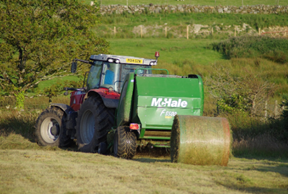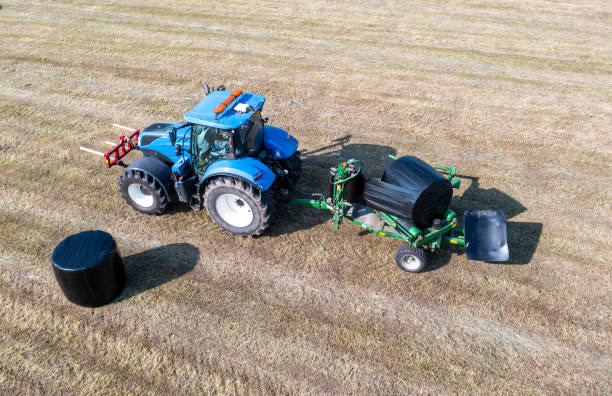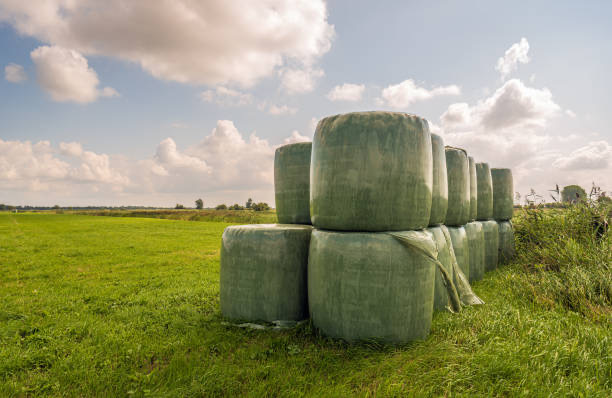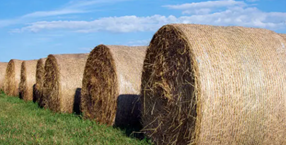
Rolling dense round bales across basalt-strewn paddocks can expose weak points in ordinary wrapping systems. Rough ground, sharp stones and repeated handling can place extra stress on bale shoulders, where loose crop material may escape. High-performance net wrap with full-width, over-the-edge coverage helps maintain a secure bale shape from the centre to the outer edges. This is particularly useful across the Victorian Volcanic Plains, where producers may handle dense hay and silage bales on uneven paddocks. Better edge coverage can reduce shoulder bulging, protect bale integrity and help keep valuable forage contained during transport and storage.
Why Bale Shoulders Need Strong Edge Coverage
The shoulders of a round bale are vulnerable because crop material can shift outward as the bale is formed. If net wrap ends short of the edges or fails to maintain consistent tension, the shoulders may become less compact and begin to shed material during handling.
Basalt fragments and rough paddock surfaces add another challenge. When a high-density bale is rolled or dragged over uneven ground, pressure is transferred through the outer layers. A net wrap system with reliable elasticity across its full width can help distribute this load more evenly.
How Edge-to-Edge Elasticity Supports Bale Integrity
High-performance net wrap is designed to stretch and conform around the bale rather than simply sitting across its central surface. Edge-to-edge elasticity lets the material extend over the shoulders, helping hold loose crop material within the bale profile.
This full-width coverage is important when producing dense round bales. As the bale reaches its target diameter, consistent tension across the net helps maintain compression while reducing exposed areas around the shoulders.
Key benefits of full-width coverage
● Reduced side-shedding: Coverage over the shoulders helps contain crop material during rolling and transport.
● Better bale shape: Consistent tension can help limit shoulder bulging.
● Improved handling: A more secure bale is easier to move across rough paddocks.
● Greater wrap efficiency: Full-width coverage helps avoid leaving vulnerable gaps at the bale edges.
● Better storage protection: A tightly contained bale is less likely to lose material before feeding or further handling.
Choosing High Performance Net Wrap for Victorian Conditions
When comparing high-performance net wrap edge coverage Vic options, contractors and producers should look beyond the stated roll width. How the net expands across the bale matters just as much.
Look for net wrap that provides:
1. Consistent edge-to-edge stretch across the entire web.
2. Reliable tension during application at high baler throughput.
3. Strong resistance to tearing and splitting when handling dense bales.
4. Good coverage over the bale shoulders rather than concentrating material in the centre.
5. Compatibility with the baler’s wrapping system and recommended operating settings.
Correct baler setup also matters. Net tension, bale density, chamber settings and application speed should be adjusted according to the equipment manufacturer’s recommendations and the crop being baled.
Reducing Crop Loss During Rough Paddock Handling
A strong agricultural wrapping system cannot eliminate damage from severe impacts, but it can reduce the chance of the crop escaping. This matters when bales must be rolled across stony ground before loading or moved between paddock and storage areas.
High-performance net wrap with dependable edge coverage helps maintain a compact outer layer around the bale. For Victorian contractors working across uneven volcanic country, this can support more consistent bale handling and reduce avoidable losses caused by loose shoulders.
Conclusion
Choosing net wrap with genuine edge-to-edge elasticity can make a practical difference when producing and handling high-density round bales on rough Victorian paddocks. Full-width coverage helps secure the shoulders, limit side-shedding and maintain a more stable bale shape.
For operations on basalt-strewn surfaces, compare high-performance net wrap edge coverage Vic products and confirm the net provides reliable stretch, tension, and shoulder coverage. Speak with your net wrap supplier about the right specification for your baler, crop and operating conditions before the next baling run.
—
Frequently Asked Questions
1. Why is edge coverage important in round bale net wrap?
Edge coverage helps secure crop material around the bale shoulders, reducing the potential for side-shedding and loose bale edges.
2. What is high-performance net wrap?
High-performance net wrap is designed to provide consistent coverage, tension and strength around round bales, including the outer shoulder areas.
3. Can net wrap prevent all crop loss on stony ground?
No. Good net wrap can help contain the bale, but severe impacts, poor handling or damaged material can still cause crop loss.
4. What should Victorian producers look for in net wrap?
Look for consistent width, edge-to-edge elasticity, reliable tension, tear resistance and compatibility with the baler’s wrapping system.
5. Does baler setup affect net wrap performance?
Yes. Incorrect tension, bale density or application settings can affect coverage and bale integrity. Follow the baler and net wrap manufacturer’s recommendations.