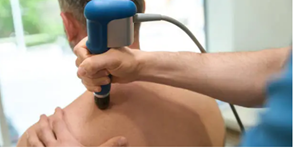
Persistent tendon pain can make everyday activities, exercise and work surprisingly difficult. When rest, stretching and standard rehabilitation have not delivered lasting relief, shockwave therapy may provide another option. This non-invasive treatment uses acoustic waves to stimulate the affected area and support the body’s natural healing response.
In Adelaide, physiotherapists may use shockwave therapy as part of a broader rehabilitation program for conditions such as plantar fasciitis, Achilles tendon pain and other persistent tendon problems. Understanding how the treatment works, who may benefit and what to expect can help you make a more informed decision about your recovery.
What Is Shockwave Therapy?
Shockwave therapy, also known as extracorporeal shockwave therapy (ESWT), delivers controlled acoustic energy to a painful or injured area. The treatment is designed to influence local tissue responses and complement an appropriate rehabilitation program.
It is commonly considered for persistent musculoskeletal conditions, particularly when symptoms have not improved with conventional conservative care. Rather than replacing exercise-based rehabilitation, shockwave therapy is often used alongside targeted strengthening, mobility work and load management.
Conditions That May Benefit
A physiotherapist may consider shockwave treatment for several stubborn tendon and soft-tissue conditions, including:
● Plantar fasciitis and heel pain
● Achilles tendon pain
● Patellar tendon problems
● Tennis elbow
● Certain chronic tendon disorders
● Some other persistent soft-tissue conditions
For people researching ESWT for plantar fasciitis, the therapy can be one component of a structured plan aimed at reducing symptoms and gradually restoring foot and calf function.
How Does Shockwave Therapy Work?
During treatment, a clinician applies a handheld device to the affected area. Acoustic waves are directed into the tissues, with the intensity and treatment area adjusted according to the individual and the condition being treated.
Treatment can feel uncomfortable, particularly around sensitive areas, but the experience varies from person to person. Your physiotherapist should monitor your response and adjust treatment parameters as needed.
The goal is not simply to reduce pain temporarily. Effective rehabilitation also addresses why the tendon became overloaded in the first place, helping restore its capacity to tolerate everyday and sporting demands.
Shockwave Therapy for Achilles Tendon Pain
Achilles tendonitis shockwave treatment is often considered for persistent Achilles symptoms that haven’t responded well to initial management. However, Achilles pain can have different causes and presentations, so an accurate assessment is important before treatment begins.
A physiotherapist can assess your symptoms, activity levels, strength and movement patterns before deciding whether shockwave therapy is appropriate. Progressive calf strengthening and sensible load management may remain important parts of recovery.
What to Expect During Treatment
A typical appointment begins with an assessment of your symptoms and physical function. If treatment is appropriate, the physiotherapist applies the shockwave applicator to the relevant area.
After treatment, some people experience temporary tenderness or sensitivity. Your clinician can guide you on activity, exercise, and the next stage of your rehabilitation plan.
Because every injury is different, shockwave physiotherapy should be individualised rather than treated as a one-size-fits-all procedure.
Is It Right for You?
Shockwave therapy is not suitable for everyone or for every cause of tendon pain. A qualified physiotherapist should review your medical history, symptoms and diagnosis before recommending it.
If you are looking for non-invasive tendon treatment in Adelaide, ask a physiotherapy clinic whether shockwave therapy is appropriate for your condition and how it fits into a complete rehabilitation plan.
Take the Next Step With Your Recovery
Long-lasting tendon pain does not have to dictate your activity levels. Shockwave therapy can be considered as part of a clinically guided approach that combines appropriate treatment with progressive rehabilitation.
If persistent heel, Achilles or tendon pain is limiting your work, exercise or daily life, speak with an experienced Adelaide physiotherapist for an assessment and personalised treatment plan.
—
FAQs
1. Is shockwave therapy painful?
Treatment can feel uncomfortable, particularly when the applicator is placed over a sensitive area. Your physiotherapist can adjust treatment intensity according to your tolerance.
2. How many shockwave therapy sessions are needed?
The number of sessions varies depending on the condition, severity, and individual response. Your physiotherapist can recommend an appropriate treatment schedule after assessment.
3. Can shockwave therapy treat plantar fasciitis?
It may be considered for persistent plantar fasciitis as part of a broader rehabilitation program. Exercise, footwear considerations and load management may also be important.
4. Is shockwave therapy suitable for Achilles tendon pain?
It can be considered for certain persistent Achilles tendon conditions, but an assessment is necessary to determine its appropriateness.
5. Does shockwave therapy replace physiotherapy exercises?
Usually, it should not be viewed as a replacement for rehabilitation. Strengthening, mobility and progressive loading can remain important for restoring tendon capacity.