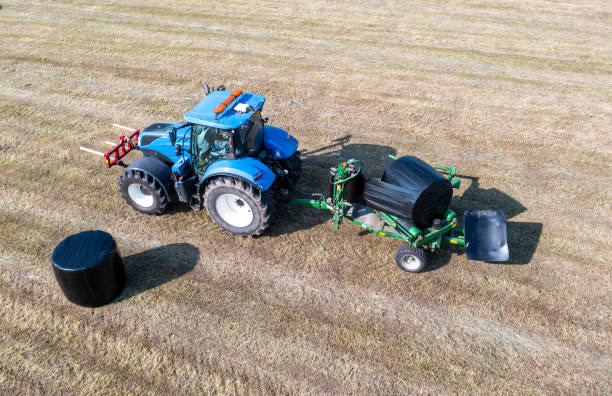
In the face of rising costs and economic pressures, Australian farmers are rethinking their use of silage plastic to maintain efficiency and profitability. Silage plastic plays a crucial role in preserving forage quality for livestock, but escalating prices for this essential material have forced many to adopt innovative strategies. This article explores how farmers across Australia are adapting their silage plastic practices, balancing cost management with the need to safeguard their feedstocks.
The Rising Cost of Silage Plastic and Its Impact on Australian Agriculture
Silage plastic is indispensable for protecting harvested forage crops, enabling farmers to store nutritious feed for cattle and other livestock throughout the year. However, recent global supply chain disruptions and increased raw material prices have led to significant cost hikes for silage plastic in Australia. Many farmers have reported paying 20% to 30% more than in previous seasons, putting pressure on already tight farm budgets.
With silage plastic costs rising, the question for Australian producers is clear: How can they continue to use this vital resource without compromising their bottom line? The answer lies in a combination of smarter purchasing decisions, better usage techniques, and embracing alternative materials and technologies.
Strategic Purchasing: Bulk Buying and Local Sourcing
One keyway Australian farmers are adapting is through strategic purchasing. Many are collaborating to buy silage plastic in bulk, leveraging economies of scale to secure lower prices. Regional farming cooperatives and associations have emerged as effective channels to negotiate better deals directly with suppliers, bypassing intermediaries.
Additionally, some producers are turning to local manufacturers who offer competitive pricing and quicker delivery times. Local sourcing reduces freight costs and mitigates the risks of delays, especially during critical harvest periods. These approaches are helping farmers stretch their budgets while maintaining the quality of silage covers.
Extending the Life of Silage Plastic Through Improved Handling
Reducing waste is another crucial tactic. Farmers are investing in training and better equipment to ensure silage plastic is applied and removed with minimal damage. Proper handling extends the lifespan of silage plastic rolls, allowing multiple seasons of use when feasible.
For instance, Australian farmers are increasingly adopting roller systems and mechanised unwrapping tools that prevent tears and punctures. They are also emphasising careful storage of leftover silage plastic away from sunlight and sharp objects to prevent premature degradation. These small but effective practices help reduce the frequency of replacement purchases.
Exploring Innovative Alternatives and Recycling Programs
Innovation is playing a pivotal role as well. Some farmers are trialling new types of silage plastic with enhanced durability or UV resistance, which promise longer service lives despite higher upfront costs. Others are experimenting with biodegradable silage covers that align with growing environmental concerns while potentially lowering waste management expenses.
Australia also boasts several silage plastic recycling initiatives, which are gaining momentum amid rising material prices. Programs in states like Victoria and New South Wales encourage farmers to return used plastic for processing into new products. Participation in such recycling schemes not only supports sustainability but may also offer cost benefits in the long term.
Technology-Driven Efficiency: Precision and Monitoring
Beyond materials and handling, technology adoption is helping Australian farmers optimise silage plastic use. Precision agriculture tools, including drones and remote sensors, provide detailed insights into silage pit integrity and spoilage risks. By monitoring silage conditions in real-time, farmers can address issues proactively, preventing unnecessary wastage and reducing the need for excess plastic coverage.
Moreover, advanced balers with integrated plastic wrapping systems ensure uniform coverage, reducing material overlap and minimising waste. These technological enhancements contribute to more efficient silage plastic use and overall feed conservation.
Case Study: Adaptation Success in Southern Queensland
In Southern Queensland, a region heavily reliant on beef production, farmers have showcased innovative silage plastic adaptation strategies. One cooperative pooled resources to purchase silage plastic directly from a manufacturer, reducing costs by 15%. Simultaneously, members participated in a state-supported recycling program, cutting plastic waste by nearly 40%.
Additionally, many invested in training workshops focused on correct application techniques, which decreased plastic damage and extended usage periods. These combined efforts not only mitigated the impact of price rises but also enhanced forage quality and farm sustainability.
Looking Ahead: Balancing Costs, Sustainability, and Productivity
As Australian farmers face continued economic challenges, adapting silage plastic use remains a priority. While rising costs present hurdles, they also drive innovation and collaboration across the agricultural sector. By adopting strategic purchasing, improving handling practices, embracing new materials and recycling, and leveraging technology, farmers are navigating this complex landscape confidently.
Silage plastic is more than just a covering—it is a critical tool supporting livestock productivity and farm viability. Australian farmers’ ability to evolve their use of silage plastic amidst cost pressures exemplifies the resilience and forward-thinking nature of the nation’s agricultural community.
Conclusion
The escalating cost of silage plastic in Australia has prompted a wave of adaptations among farmers aimed at maintaining efficient forage preservation without inflating expenses. Through bulk purchasing, better handling, recycling programs, technological innovation, and cooperative efforts, Australian farmers are finding new ways to manage silage plastic sustainably and economically. These strategies not only protect their livelihoods but also contribute to the long-term sustainability of Australian farming.
If you want to learn more about the latest trends in silage plastic use or explore innovative agricultural practices in Australia, feel free to ask!