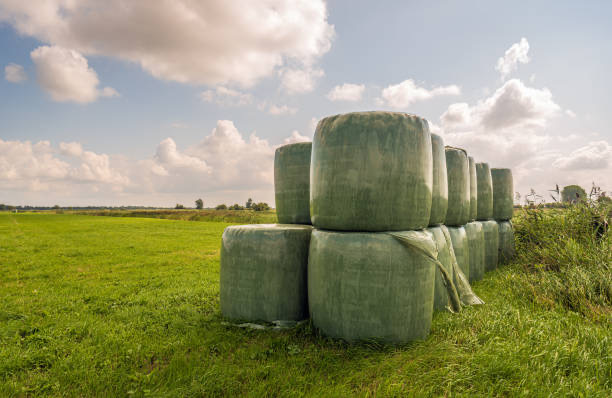
In Australia’s diverse agricultural landscape, the choice of silage film is critical for farmers aiming to preserve high-quality forage. Silage film plays a vital role in protecting crops from moisture, oxygen, and contaminants during storage, ensuring nutritious feed for livestock throughout the year. With varying climates across regions — from the tropical north to the temperate south — Australian farmers must make informed decisions when selecting silage film that suits their unique conditions and crop types. This article explores the key factors influencing silage film choice among Australian farmers, providing insights into technology, durability, and environmental considerations.
Understanding the Role of Silage Film in Crop Preservation
Silage film serves as a protective barrier, creating an anaerobic environment that promotes fermentation and prevents silage spoilage. Australian farmers rely on this technology to extend the shelf life of crops such as corn, sorghum, and various grasses used in livestock feed. The success of silage preservation hinges on the quality and properties of the silage film used — a poor choice can lead to oxygen infiltration, mould growth, and nutrient loss, impacting animal health and farm profitability.
Climate and Regional Differences Shape Silage Film Selection
Australia’s vast geographic span presents distinct climatic challenges. In tropical regions like Queensland and the Northern Territory, intense sunlight and high humidity can degrade silage film rapidly. Here, UV-resistant silage films with enhanced durability are preferred to withstand harsh weather conditions. Conversely, farmers in cooler southern states such as Victoria and Tasmania might prioritise silage films that offer superior oxygen barriers to maintain fermentation quality during longer storage periods.
For instance, farmers in drought-prone Western Australia might opt for silage films with strong puncture resistance to minimise damage during handling and transportation. The decision often involves balancing cost with performance, ensuring that the silage film can endure local environmental stresses without excessive expense.
Key Features Australian Farmers Look for in Silage Film
When selecting silage film, farmers focus on several technical features:
- Thickness and Strength: Thicker films (usually measured in microns) provide better puncture resistance and durability, crucial for protecting silage from physical damage caused by machinery or wildlife.
- Oxygen and Moisture Barrier Properties: High-quality silage films prevent oxygen ingress and moisture loss, preserving the crop’s nutritional content and promoting effective fermentation.
- UV Resistance: Australian sunlight can quickly degrade conventional plastic films. UV-resistant silage films maintain integrity over extended periods, especially in exposed outdoor storage.
- Stretchability and Cling: Films with good stretch properties and clingability ensure tight wrapping around bales or silage stacks, minimising air pockets and improving preservation efficiency.
- Environmental Considerations: Increasingly, Australian farmers are conscious of the environmental impact of silage films. Biodegradable or recyclable films are gaining traction, allowing farmers to reduce plastic waste while maintaining silage quality.
The Influence of Crop Type on Silage Film Choice
Different crops require varying silage film properties due to differences in moisture content and fermentation characteristics. For example, high-moisture crops like sorghum need films with excellent oxygen barrier capabilities to prevent spoilage. Meanwhile, drier grasses might tolerate slightly less impermeable films but still require good UV protection.
Farmers often consult agronomists or silage specialists to match the film to the specific crop’s needs, ensuring optimal fermentation and feed quality. Customised approaches help reduce wastage and improve livestock nutrition.
Technological Innovations in Silage Film
Australian farmers benefit from ongoing advancements in silage film technology. New multi-layer films combine different polymers to optimise barrier properties and durability without significantly increasing cost. Some films feature integrated additives to slow down microbial growth on the film surface, extending silage longevity.
Additionally, smart films that change colour or texture based on temperature or oxygen exposure are emerging, enabling farmers to monitor silage condition remotely and reduce losses. These innovations contribute to smarter farm management and resource efficiency in Australian agriculture.
Practical Considerations: Cost vs. Longevity
Price remains a major consideration for farmers. While premium silage films offer superior protection, they come at higher upfront costs. Many Australian farmers perform cost-benefit analyses to find films that balance durability and price. For short-term silage storage, a mid-range film may suffice, but for long-term stockpiling, investing in premium films can prevent significant losses.
Farmers also consider the availability of silage film suppliers in their region and the support services provided, such as technical advice and bulk purchasing options.
Conclusion: Tailoring Silage Film Choices to Australian Farming Realities
Choosing the right silage film is an essential decision that influences crop preservation, livestock nutrition, and farm profitability across Australia. By considering regional climates, crop types, film properties, and environmental impact, Australian farmers make confident, informed choices tailored to their unique agricultural needs.
As technology continues to evolve and sustainability becomes a stronger focus, the future of silage film in Australian farming looks promising, offering durable, efficient, and eco-friendly options that support the nation’s thriving agricultural sector.
If you’re an Australian farmer looking to optimise your silage preservation, understanding these factors will help you select the ideal silage film — ensuring your crops stay fresh and your livestock stay healthy year-round.