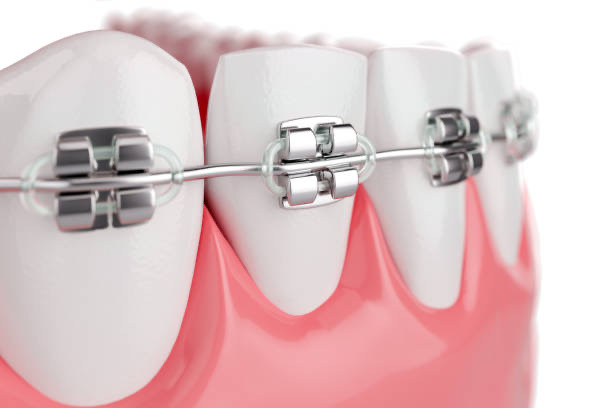
Achieving a confident, radiant smile often begins with the right orthodontic care, and for residents in South Australia, dental braces Adelaide offer an effective solution for aligning teeth, correcting bite issues, and enhancing overall oral health. However, choosing the right orthodontist is just as important as selecting the type of braces. With numerous clinics across Adelaide, understanding what to look for can save time, reduce stress, and ensure optimal results for your smile.
Understanding Your Orthodontic Needs
Before scheduling consultations, it’s essential to understand your specific orthodontic requirements. Dental braces can address a range of issues, from crooked teeth and gaps to overbites, underbites, and misaligned jaws. A thorough evaluation by a qualified orthodontist in Adelaide will determine the most suitable treatment plan tailored to your unique dental structure.
Modern braces come in various types, including traditional metal braces, ceramic braces, lingual braces, and clear aligners such as Invisalign. Each option has its benefits, considerations, and lifestyle implications. For example, clear aligners are nearly invisible and removable, making them popular for adults, while traditional braces may be more effective for complex cases. Understanding your preferences, lifestyle, and budget helps narrow down the options.
When considering dental braces Adelaide, patients should also factor in the duration of treatment. Complex cases may require longer periods of adjustment, sometimes up to two or three years, while minor corrections can occasionally be completed in under a year. Discussing expectations upfront ensures both you and your orthodontist are aligned on achievable goals.
Researching Credentials and Experience
One of the most critical steps in selecting an orthodontist is evaluating their credentials and experience. Look for professionals registered with the Australian Health Practitioner Regulation Agency (AHPRA) and those who have completed specialised training in orthodontics. Experienced practitioners in Adelaide often showcase before-and-after photos of previous patients, providing insight into their skill, attention to detail, and treatment outcomes.
It’s also worth inquiring about the clinic’s technological capabilities. Advanced imaging tools, digital scans, and 3D modelling can enhance treatment accuracy, reduce discomfort, and shorten adjustment times. Clinics that invest in cutting-edge technology demonstrate a commitment to providing high-quality, modern care tailored to each patient’s needs.
Assessing Patient Reviews and Testimonials
Word-of-mouth and online reviews play a significant role in evaluating potential orthodontists in Adelaide. Patient testimonials reveal not only the quality of dental work but also the level of customer service, clinic atmosphere, and overall satisfaction. Look for consistent feedback regarding professionalism, punctuality, and post-treatment support.
Visiting multiple clinics for consultations allows you to compare experiences directly. Pay attention to how staff communicate, how thoroughly questions are answered, and how treatment options are explained. A friendly, transparent approach is essential, as orthodontic care often involves multiple visits over several months or years. Feeling comfortable with the staff and the clinic environment contributes to a positive treatment experience.
Understanding Costs and Payment Options
Cost is an important factor when considering dental braces Adelaide, but it should not be the sole deciding element. While orthodontic treatments are a significant investment, choosing the cheapest option may compromise quality or long-term results. Most clinics provide detailed breakdowns of treatment costs, including initial consultations, braces installation, follow-up visits, and retainers.
Many Adelaide orthodontists offer flexible payment plans or finance options, making it easier to manage expenses without compromising care. It’s also important to clarify insurance coverage and confirm whether the clinic works with your provider to avoid unexpected out-of-pocket costs. Being fully informed about pricing ensures you can plan financially and focus on achieving the best possible outcome for your smile.
Prioritising Comfort and Personal Fit
Ultimately, choosing the right orthodontist comes down to personal comfort and trust. You should feel confident in the practitioner’s abilities and at ease within the clinic environment. Orthodontic treatment requires ongoing collaboration, and building a positive relationship with your orthodontist ensures better adherence to care instructions and a smoother treatment journey.
During your consultation, ask questions about follow-up visits, potential complications, and emergency protocols. A responsive orthodontist who prioritises patient well-being is more likely to deliver a satisfying experience and long-lasting results. Additionally, consider clinics that offer a welcoming atmosphere, clear communication, and supportive staff, as these elements contribute to overall comfort and satisfaction throughout the treatment period.
Conclusion
For those seeking dental braces Adelaide, selecting the right orthodontist is a critical step toward achieving a healthy, beautiful smile. By understanding your orthodontic needs, researching credentials, reviewing patient feedback, considering costs, and prioritising personal comfort, you can make an informed choice that sets the foundation for successful treatment. With careful planning, professional guidance, and ongoing support, your journey to a confident smile in Adelaide becomes both seamless and rewarding.
Investing in the right orthodontist today ensures your smile not only looks great but also promotes long-term oral health and confidence for years to come.




 Commercial carpets are subject to heavy foot traffic day in and day out. Dust, allergens, bacteria, stains, and unpleasant odours can accumulate quickly, leaving your space looking tired and unhygienic. Professional commercial carpet cleaning not only revives the appearance of your floors but also enhances the overall ambience and comfort of your workplace.
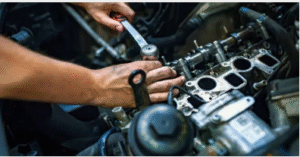 Volkswagen designed the heart of the 2024 Amarok with Australian conditions in mind. Whether navigating dusty red centre tracks or cruising coastal highways, local drivers demand both durability and comfort. The headline-grabber here is the robust V6 turbo-diesel powerplant, which produces high torque at low revs and delivers smooth responses when towing or overtaking.
 Whakatane, situated in the Bay of Plenty region, boasts a diverse property landscape, ranging from charming coastal homes to rural lifestyle blocks. The local market is distinctive, influenced by seasonal demand, community values, and evolving development projects. A real estate agent who understands these nuances can provide tailored advice, making your property journey smoother and more successful.
 Bulk order packing box strategies are gaining traction across various sectors for one core reason—cost efficiency. Ordering in bulk significantly reduces the per-unit cost of boxes, resulting in substantial savings, particularly for businesses that rely on high shipping volumes.
 The modern chemical consultant in Australia is far more than just a compliance advisor. With industries striving for sustainable practices and efficient production methods, consultants are increasingly called upon for their expertise in:
 Selecting the right criminal defence lawyer can be the difference between conviction and acquittal or receiving a lenient sentence versus a harsh penalty. While gender does not inherently determine a lawyer’s ability, many clients prefer a male criminal defence lawyer for various reasons, including communication style, rapport, or comfort level during sensitive consultations.