Prawns are an affordable seafood option that can be prepared in numerous ways. From frozen to use in soups, pasta and wok dishes, or just eaten as an enjoyable and healthy snack! For optimal results, look for affordable frozen prawns not treated with sodium tripolyphosphate.
When defrosting frozen prawns, use cold water. Warm or hot water could cause the shrimp to cook unevenly and result in undercooking or overcooking.
They are easy to defrost.
Affordable frozen prawns can be relatively straightforward to defrost if the right steps are followed. The key to successfully defrosting them lies in keeping them cold; this is essential as these delicate creatures are highly susceptible to temperature change. Defrosting in warm water may cause them to cook, leading to overcooked or overmushy results. Therefore, for optimal defrosting results, please place them in a bowl filled with cold water; this process should take around one hour and requires constant monitoring.
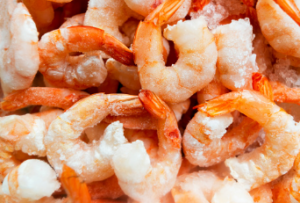 Next, remove the frozen prawns from their packaging and place them in a leak-proof plastic bag or container. Next, fill this container with cold tap water until all of the prawns have been submerged – this method may be faster than using your refrigerator, but it still takes some time. All the prawns must remain submerged, or they may start defrosting unevenly, possibly leading to overcooking!
They are easy to cook.
They introduced frozen prawns as a delicious seafood dinner option if you’re searching for an easy yet nutritious seafood dinner! They’re easy to cook, packed with essential nutrients and low in calories, making them an easy addition to any diet. Moreover, selenium, zinc, and B vitamins found in prawns help contribute to their beneficial qualities that promote overall wellness.
Affordable frozen prawns are also extremely convenient, making them an excellent addition to your pantry. Enjoy them alone, combine them with other foods such as pasta or rice for an easy meal option, or add them into soups and stews for even greater nutrition and taste! Frozen prawns are less costly than fresh varieties while providing the same healthful advantages.
For best results, allow frozen prawns to defrost in the fridge overnight – this will provide them with a more tender texture and ensure their safety for consumption. However, if time is of the essence, you can also thaw them in cold water, which works faster. However, be careful – using only cold water will work in this instance! To use cold water efficiently, you need an ice-cold solution as this method must use cold water without overheating – use only this approach with an absolute minimum temperature difference!
Sodium bisulphite is added to frozen prawns to prevent melanosis or darkening of their head and shell that occurs after harvest. Although this chemical doesn’t prevent spoilage or bacterial growth, it helps keep their colour and flavour.
They are affordable
While you might be tempted to purchase fresh seafood, it is important to keep in mind that most of what we see at supermarkets are frozen varieties since seafood has a short shelf life and, therefore, needs to be frozen as soon as it has been caught to ensure it lasts on its journey to stores.
Although fresh seafood tastes better, frozen prawns can still be more delicious and economical. If possible, look for sustainable seafood and ask your fishmonger if local frozen prawns could be substituted instead of costly imported options.
Avoid frozen prawns treated with sodium tripolyphosphate or sodium bisulphite as these chemicals can cause them to absorb water, add up to 10% more weight, and change their texture while being cooked, which could give them a rubbery, bouncy texture. If unsure, consult with your fishmonger or ask the package seller.
They are healthy
Prawns are an ideal dinner option because they combine high protein and low fat, making them a healthy choice. In addition, prawns provide important vitamins and minerals – including omega-3 fatty acids – and are an excellent source of potassium, niacin, B6/folic acid/vitamin A.
Prawns can be frozen, both raw or cooked. If you wish to freeze them raw, blanching is essential in killing any surface bacteria before placing the blanched shrimp into an airtight freezer bag or container and freezing at once with some ice cubes added for extra cooling power and to prevent freezer burn.