Silage covers play a crucial role in Australia’s agricultural landscape, particularly in the dairy and livestock industries. As farmers strive to maximise feed quality while minimising losses, understanding the importance of silage covers is essential.
This article explores the types, benefits, and best practices associated with silage covers, helping Australian farmers make informed decisions about their operations. For quality silage covers, check this out!
What are Silage Covers?
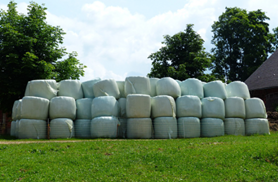 Silage covers are protective materials used to cover silage piles or bunkers, which are large quantities of fermented feed stored for later use. These covers help prevent oxygen exposure, moisture infiltration, and contamination, preserving the silage’s nutritional value. In Australia, where climate conditions can be variable, choosing the right silage cover is vital for maintaining feed quality and reducing waste.
Types of Silage Covers
Plastic Silage Covers
Plastic covers are the most common type used in Australia. Made from high-density polyethylene (HDPE) or low-density polyethylene (LDPE), these covers are UV-stabilised to withstand harsh Australian sun. They are available in various thicknesses and can be tailored to fit different silage piles.
Geotextile Silage Covers
Geotextile covers are designed for enhanced drainage and air permeability. They are instrumental in wetter regions where excess moisture can lead to spoilage. These covers allow moisture to escape while preventing rain from penetrating the silage.
Composite Silage Covers
These covers combine the benefits of plastic and geotextile materials. They offer excellent moisture control and are resistant to UV damage, making them a durable option for Australian farmers.
Benefits of Using Silage Covers
Reduced Nutritional Loss
Properly covering silage reduces exposure to oxygen, which can lead to spoilage and nutrient loss. By using high-quality silage covers, farmers can ensure that their livestock receive optimal nutrition from stored feed.
Improved Feed Quality
Silage covers help maintain the fermentation process by creating an anaerobic environment. It leads to better preservation of nutrients, enhancing the overall quality of the silage.
Minimised Contamination
Covers protect silage from external contaminants, including rain, pests, and debris. It is particularly important in Australia, where climate variability can introduce various risks to stored feed.
Cost-Effective Storage Solution
Investing in quality silage covers can result in long-term savings for farmers. By minimising feed waste and enhancing feed quality, farmers can reduce the overall costs associated with livestock feeding.
Best Practices for Silage Covers
Choose the Right Cover
Selecting the appropriate type of silage cover is essential. Consider factors such as climate, moisture levels, and the size of the silage pile. Consulting with local agricultural experts can help farmers make informed decisions.
Ensure Proper Coverage
When covering silage, ensure that the cover is tightly secured to prevent wind from lifting it. Use weights or specially designed silage weights to hold the cover in place. It prevents air pockets that can lead to spoilage.
Regular Inspections
Regularly inspect silage covers for signs of damage or wear. Address any issues promptly to maintain the integrity of the cover and ensure optimal protection for the silage.
Practice Good Silage Management
Implementing good silage management practices, such as proper packing and layering, can enhance the effectiveness of silage covers. The more compact the silage, the better the anaerobic conditions will be, leading to higher-quality feed.
Consider Environmental Impact
As environmental sustainability becomes increasingly essential, farmers should consider the environmental impact of their silage covers. Opt for biodegradable or recyclable materials where possible to reduce waste.
The Future of Silage Covers in Australia
As technology advances, the future of silage covers in Australia looks promising. Innovations such as intelligent covers with moisture sensors and biodegradable materials are emerging. These developments aim to enhance feed preservation while promoting sustainability, ensuring that Australian farmers can efficiently manage their feed storage needs for years to come.
Conclusion:
In the Australian agricultural sector, silage covers are essential for maintaining feed quality and reducing waste. By investing in the correct type of silage cover and adhering to best practices, farmers can significantly improve their livestock’s nutrition while minimising costs. As Australia continues to face climate challenges, the importance of effective feed storage solutions, like silage covers, cannot be overstated. By prioritising quality and sustainability, Australian farmers can ensure a more resilient and productive future for their operations.