Category: Professional Services

Mobile Cool Room Hire Adelaide: Known Perks of Mobile Cool Room Hire

If you operate a catering business or need to transport food and drinks, a mobile cool room hire Adelaide is an excellent solution. These refrigerated trailers are ideal for keeping perishable goods at the correct temperature and meet all Australian safety standards.

Mobile cool rooms are mounted on trailers and can be towed easily. They are also a great alternative to using cooler boxes or mini-freezers.

Convenience
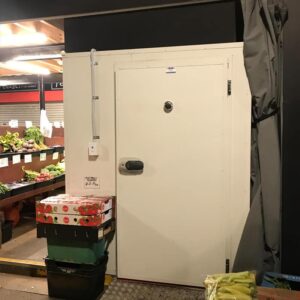
mobile cool room hire AdelaideIn any business, it is crucial to have access to reliable refrigeration. That is especially true for food businesses, where freezers and cold rooms keep meat, produce and other foods fresh and safe for consumption. But a malfunctioning fridge or cooler can mean lost business and expensive stock loss. That’s why a portable cool room hire is ideal for restaurants, cafes and caterers. A mobile coolroom can be taken anywhere, allowing you to meet your customers wherever they are.

A portable coolroom is a wheeled container that maintains an internal subzero temperature, allowing you to transport perishables safely and legally. It’s ideal for restaurants and event planners who need extra refrigeration on busy nights and grocery stores doing home deliveries of frozen meats and seafood. It also helps food stalls comply with food safety regulations at farmers’ markets and festivals. It can be used as backup storage during power outages or natural disasters.

When choosing a portable coolroom, you should consider its size and functionality. For example, it is a good idea to select a unit with heavy-duty insulated panels, sturdy flooring, and quality fittings and shelving. It will reduce the risk of damage and theft of your products. Also, look for a unit with a lockable door handle, as this will help to prevent unwanted tampering with the coolroom’s contents.

Another advantage of hiring a mobile cool room hire Adelaide is that it offers temporary cold storage when your existing refrigerated facilities are under renovation or need repair. It allows your business to continue operations without losing valuable revenue and is especially useful during a power outage or natural disaster. Grafton Hire’s portable cool rooms can operate using a generator and are designed to ensure your stock is preserved.

Flexibility

The biggest benefit of hiring a mobile cool room is its flexibility. You can move it to any place you need, which is especially useful for businesses that require a lot of refrigeration, such as restaurants or caterers. Additionally, you can use it as an emergency freezer during natural disasters or power outages. You can also transport it to new business locations, which opens up your market audience.

It is important to know your requirements before you hire a portable cold room so you can choose the right size. It would be best to consider the cool room’s purpose, how often you will need it, and what items you will store in it. For example, you might want to keep fresh meat, seafood, fruits, or flowers. You should also consider the Australian weather, which can be very hot and humid. If you are unsure about the size of your needs, talk to a specialist at a refrigerated rental company.

It would be best if you also looked for a company that offers a wide range of rental sizes and types. You may need a small cooler for some food products, while others may require a larger one. It would be best if you also looked for a company that allows renting for longer periods.

While many people think that mobile cool room hire Adelaide is expensive, they are quite affordable for a business. This type of service is a valuable investment that can save you money in the long run. Moreover, it will help your business grow faster by allowing you to expand your services.

Safety

A mobile cool room is a valuable tool for any business or event that requires food and drinks to be kept chilled. These portable units are also ideal for businesses that rely on frozen food deliveries or need emergency backup refrigeration during power outages or natural disasters. They are much more cost-effective than purchasing a permanent cold storage facility and are available in a wide range of sizes to suit any space.

When selecting a mobile cool room, it is important to consider several factors, including temperature control, equipment housing, and rim clamps. These safety measures help to ensure that your food and drink products are stored at the correct temperature for service and food safety, particularly during Australia’s blazing summer temperatures.

Childcare Centre: Nurturing Childcare Centres

Nurturing childcare centres provide a safe and supportive environment for infants, toddlers, parents, grandparents and caregivers. These environments are potent contexts for children’s learning. In promoting child growth and development, health and social care, policies must address the underlying drivers of structural disadvantages, such as dismantling racism and adopting a holistic, family-centred approach.

To unlock their full potential, young children need the five interrelated and indivisible components of nurturing care: good health, optimal nutrition, safety and security, responsive caregiving and learning opportunities. For professional nurturing childcare centre services, click here.

Nurturing Environment

childcare centre
Nurturing environments provide the foundations that children need to reach their developmental potential. It includes stable environments that are sensitive to children’s health and nutrition needs, protect them from threats, and provide opportunities for learning through emotionally supportive and responsive relationships.

These settings also help children feel safe and secure, allowing them to develop trust and open up. It can be done by ensuring the environment is clean and organised and limiting exposure to harmful stimuli. It is also essential to encourage children to talk about their feelings by asking open-ended questions.

The key to building a public health movement that increases the prevalence of nurturing environments is a shared vision of their value. Just as society mobilised to combat cigarette smoking by creatively marshalling growing evidence of its harm, we can do the same for the benefit of nurturing environments. It will involve educating the public and critical institutions about the positive impact that they can have.

Nurturing Care

Children need nurturing care to promote healthy development in the first years of life. It includes safe and healthy environments, good nutrition, adequate health care, responsive caregiving, opportunities for learning and emotionally supportive relationships.

Efforts to improve the quality of nurturing care must be broad-based and coordinated. It will require a holistic approach integrating services for families with children and outreach to the most vulnerable. In addition, policies and programmes must focus on the needs of the whole child, including those with disabilities and those living in conflict situations and displaced communities. The Nurturing Care Framework, developed by WHO, UNICEF and the World Bank Group, sets out a road map for action, drawing on best practices in high-, middle- and low-income countries.

Nurturing Relationships

Children need nurturing care, a set of practices that shapes the quality of their development and early learning. Boosting care can be applied in many settings – family, childcare, pre-school, education and the wider community. It must include outreach and sensitivity to vulnerable children, especially as conflict situations intensify and families are separated.

The best way to nurture a child is to establish regular eating, study and play routines. It gives the child security by knowing what to expect and allows them some control over their environment. Having a range of adults in a child’s life is essential, providing varying experiences and relationships. For professional nurturing childcare centre services, click here.

Nurturing Opportunities

We need to make a holistic shift in how we think about the care of young children. It is time to embrace the principles of nurturing care, a framework for guiding early childhood development and enabling children’s full human potential.

This framework is based on the bioecological theory of human development and principles of relational developmental systems. It focuses on the interrelated components of healthy eating and active living, safety and security, responsive, caring relationships and quality early learning. It requires a whole-of-society approach, including governments, families, communities and service providers, and a coordinated, multisectoral life course approach with practical implementation and monitoring.

The framework is particularly relevant in low- and middle-income countries (LMICs), where family income, household assets and access to social protection are often limited. These constraints disproportionately impact the ability of families to provide nurturing care. In promoting child growth and development, health and social care, policies must address the underlying drivers of structural disadvantages, such as dismantling racism and adopting a holistic, family-centred approach.

Tips for Buying Printers

A printer is a must-have for any home office or small business. But with numerous options on the market, it can be hard to choose a model that suits your needs and budget.

Whether you’re buying a home printer or an office machine, there are several tips to consider before purchasing. These tips will help you get the most for your money.

Determine Your Printing Needs

printers AdelaideChoosing the right printer from Ariel Printing is an important decision for any business, and a little research can make it much easier. There are several factors to consider, including the type of work you do, what functions you need, and what budget you’re working with.

First, determine how much printing you need to do. It is a good indication of how large a machine you need. If your business prints a lot, you’ll want to look for a high-volume printer with an automatic document feeder and multiple paper trays. It will help you save time and avoid having to stop what you’re doing to print something manually.

If you need to scan documents, a high-resolution scanner is also necessary. For example, if you’re scanning black-and-white text-based documents, 300 dpi should be enough, but higher resolutions are preferable to print out artwork or photographs.

Next, decide how many people will be using the printer daily. If you have a team of employees using the same printer regularly, it’s best to get one that can handle several print jobs simultaneously.

You’ll also want to look at how fast the printer can print. It is measured in pages per minute, and you’ll want to be sure that the machine you choose can keep up with your printing needs.

The speed of your printer should be high enough to allow for quick turnarounds, but it’s also a good idea to consider how well it’ll run in the long term. The more often a printer has to cycle through ink, the more it’ll cost you.

For a more affordable option, you can opt for an ink tank printer instead of one that uses individual cartridges. These printers can last up to two years before they need to be replaced, which is excellent for businesses that frequently print large volumes of documents.

Finally, if you’re looking for an all-in-one printer that can scan, copy, and fax, check the features of each model you’re considering. These printers are a bit more expensive than single-function models, but they’re worth the extra investment if you want a complete solution to streamline your workflow.

Determine Your Budget

Whether you’re running a small business or need a home printer for basic printing needs, it’s important to determine your budget before making any decisions. It will make the purchasing process much easier and help you choose the best printer.

First, decide how many pages you need to print monthly and how much money you must spend on ink. Then, consider which type of printer you need: laser, inkjet or a multifunction device.

All-in-one printers are a good choice for many businesses because they offer scanner, copier and fax capabilities. In addition, they can save your company time and money by avoiding purchasing separate equipment.

Laser printers Adelaide are probably the best option for high-volume printing because they can produce faster results and better quality than an inkjet model. However, they can be more expensive than a colour inkjet, so it’s essential to consider your needs before choosing this type of printer.

It would be best if you also looked at the print efficiency of a given model. It can be calculated by dividing the price of the ink cartridges by the number of pages they can yield. It will give you an idea of how much each page costs, which will help you compare models and find the right one for your budget.

Another consideration is the amount of maintenance and upkeep that will be required to keep your printer in good working order. Again, a low-maintenance model will last longer, so you can save money in the long run.

Lastly, consider the energy efficiency of your printer. It will reduce your utility bills and lower the cost of every print job you make.

Buying printers is a complicated and exciting decision, but it can be an affordable and practical option for most businesses and households. With the tips and suggestions in this article, you’ll be able to get the most for your dollar and find a printer that will meet all of your printing needs. It’s a big step, but it will be well worth the effort once you have your machine!

Consider the Functions You Need

If you’re in the market for a new printer, keeping your priorities in mind is essential. You’ll want to consider what you need it for, including the type of function it will perform and the unit size. It will help you narrow your search for the best printer for your home or small office. You may also want to consider if you’ll need to buy additional consumables such as paper, ink, or toner. Finally, you’ll want to check your budget and determine whether or not the machine is worth the price tag. The best way to do this is to consult a qualified printer expert who can help you find the suitable model for your needs. They’ll also be able to recommend a reputable dealer. The result will be a printer that you can rely on for years. The most important thing to remember is that you should not be afraid to ask questions before making your final decision.

Look for a Reliable Printer

When you’re ready to buy a printer, you must consider a few crucial factors. These tips will help you choose a reliable machine that suits your needs and budget.

A printer is essential for various tasks, from home office use to professional printing jobs and hobbies like photography. They’re also a great way to save time by providing smudge-free documents and creating a physical copy of important files.

When shopping for a new printer, you must consider several factors, including print speed, media capacity and ink cartridges. These specifications are particularly critical when shopping for a business printer, which will have a different duty cycle than a personal printer.

In addition, the type of paper you’ll use will impact the choice of printer you purchase. For example, if you print many photographs, you may want to select a printer with a high resolution.

Reasons to Invest in an Asbestos Inspection

There are several reasons to invest in an asbestos inspection. These include the safety and health of you and your family, the cost of refurbishment and demolition, and the possible spread of harmful material.

Checking for asbestos

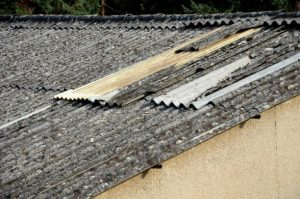
When investing in an asbestos inspection Adelaide for your home, it is important to know what to expect. Asbestos can be a dangerous material and can ruin your renovation project. It can cause serious health problems, including lung cancer and mesothelioma.

asbestos inspection AdelaideIt’s best to find out as soon as possible if there are any signs of asbestos. You may want to hire an asbestos inspector, or you can do an investigation yourself. Asbestos is a toxic material easily damaged and can be released into the air.

Asbestos can be present in a variety of materials. Some types of asbestos are more commonly found than others. Non-friable asbestos is very tough, but it is still hazardous if disturbed.

Friable asbestos, however, can become airborne when it is crushed. This type of asbestos is often in older buildings and can be very dangerous. The EPA warns that you should not disturb it.

It is advisable to contact an asbestos inspector before you purchase your home. You can also ask your real estate agent to recommend one. You can also search local public health departments’ websites for certified asbestos testers.

A complete asbestos evaluation requires destructive testing. This type of testing can only be done by professional tradespeople who wear disposable protective clothing.

Once the inspection is complete, the testing results will show what materials contain asbestos. They will also provide information on how to remove the materials safely. It is important to make sure the contractor follows a thorough testing protocol.

A comprehensive asbestos evaluation is not always practical for pre-purchase home inspections. But it’s a good idea to have an asbestos inspection if you consider buying an older home. If the home is more than 40 years old, there is a high chance that the home contains asbestos.

If you consider remodelling an older home, you should check for asbestos. An asbestos survey will help you determine what materials need to be removed. Those that are damaged or in poor condition should be remediated.

It’s very important to identify and remove asbestos in your home. It is a dangerous material that can ruin your renovation project and financial investment.

Preventing the spread of asbestos

Asbestos is a material that was used for decades as an insulating material, but today it is known to be dangerous to the human respiratory system. The danger of asbestos exposure can be very real, as it can cause serious health problems, including lung cancer, mesothelioma, and asbestosis. These conditions take years to develop, and they can be fatal.

Asbestos is still present in many old buildings, especially those built before the mid-1980s. The best way to avoid health problems is to remove them promptly. If you have an asbestos infestation, it is advisable to hire a professional asbestos removal specialist to do the job for you.

One of the best ways to prevent the spread of asbestos is to educate your employees about its risks. You should also make sure that they wear protective clothing. Aside from the usual work clothes, the employer should provide a special area where workers can eat and drink without exposing themselves to the risk of asbestos contamination.

Another step is to have the necessary safety signs around the workplace. The Occupational Safety and Health Administration (OSHA) has regulations requiring employers to test the air at their worksites for asbestos.

To protect workers from the hazards of asbestos, the EU adopted a directive. This directive is called the Occupational Safety and Health Asbestos (OSH). It was adopted in March 1999. The directive lays out requirements for the control of asbestos exposure and the removal of asbestos-containing materials.

The directive is updated regularly, so it may be worth checking out. In the past, some companies did not inform their workers about the risks of asbestos. That is why some of the newest laws aim to keep workers’ health in mind.

The directive also includes specific requirements, such as a limit value for airborne asbestos. It also requires member states to maintain a register of asbestos cases and store data for 40 years. In addition, it also requires the competent authorities to request detailed information from the relevant firms.

What Does a Plumber Do?

A plumber’s job description is a multifaceted one. The job involves using pipes, valves, plumbing fixtures, and tanks to convey fluids for various uses. This job requires a high degree of technical knowledge and hands-on experience. Salary and work environment are important considerations as well. You can find out more about the profession by reading the following sections.

Job Duties

Distinct-Plumbing plumber Modbury is responsible for installing, maintaining, and troubleshooting water and drainage systems. They are also responsible for locating and repairing faulty pipes and fixtures. Licensed plumbers can work on homes or commercial buildings. Some plumbers are on call for emergencies. Job duties vary, but they typically work weekends and evenings. Plumbers should have strong physical and troubleshooting skills.

Distinct-Plumbing plumber ModburyPlumbers must study and interpret building codes and plumbing specifications to provide safe, efficient and effective service. They also have to study and analyse building plans to determine the necessary materials and costs, and they also need to cut openings in structures to install pipes. They may need to hang steel supports from ceiling joists to hold pipes in place. Job duties of plumbers include assessing the needs of buildings and pipes and planning the installation of plumbing systems around existing electrical wiring.

Plumbers have strong problem-solving skills and can analyse a situation quickly. They must also be able to explain the various options available. They also must be able to work in different conditions and be flexible in their schedule. For example, they may be required to work nights or weekends to complete a plumbing project.

A plumber must be licensed in their state to practice. Many states require plumbers to have two to five years of experience and pass a licensing exam. A plumber should also have strong analytical skills and be comfortable dealing with people, and plumbing requires extensive study, as plumbing work is highly specialised and requires many years of training.

A plumber’s salary depends on education, experience, and specialisation. Licensed plumbers earn more than their unlicensed counterparts. Apprentice plumbers are paid by the hour on a job site. They start at half of a journeyperson’s hourly rate and increase as their skill and experience increase.

Salary

Plumbing is one of the highest-paying professions. Moreover, it is among the top seven most lucrative occupations that do not require a degree.

Many plumbers work for large companies and receive bonus payments based on company performance. These bonuses are usually paid quarterly or annually and depend on the plumber’s contribution to the company’s success. Depending on the industry, these bonuses can be significant, although they are reserved for the highest-performing employees.

Salaries for Distinct-Plumbing plumber Modbury vary across states, and their salaries depend on location, formal education, and experience. Additionally, plumbers can work for themselves, which can affect their pay. For example, the average plumber in the southern United States earns a lower salary than plumbers in rural areas of the West. In contrast, plumbers in Hawaii, California, Washington, and Alaska earn higher than the national median.

The average plumber earns $21,920 a year. However, some plumbers choose to work as a subcontractor, while others choose to stay at home. The salary for a plumber in these situations can range from $21,920 to $83,430. These plumbers work in private homes and businesses and often repair or install plumbing appliances. They may also be called upon to design and install large pipe networks.

Plumbing jobs are highly physical and require a high level of physical fitness. Often, plumbers must carry heavy equipment and work in cramped crawl spaces. In addition, plumbers must be flexible, open-minded, and good at problem-solving.

Education required

There are a variety of educational requirements for those looking to become a plumber, including completing an apprenticeship or an associate’s degree program. Apprenticeships typically last five years and include safety training and detailed instruction in math, physics, blueprint reading, and state codes. Apprenticeships may also be obtained through high school, technical school, or trade unions.

Most states and localities require plumbers to have a license. The requirements vary from state to state but generally require two to five years of practical training and an exam. Depending on your jurisdiction, you may also need to earn a separate license for gas lines in some areas. Once you have obtained your license, you can begin working on plumbing projects and earning money.

Most plumbers receive their education through an apprenticeship program. An apprenticeship requires about four to five years of paid training and can be sponsored by a union. Typically, you will need a high school diploma, but it is possible to pursue a GED. Additionally, it would help if you had a solid grounding in math, science, technology, and computers. It may also help if you have some prior experience in plumbing.

Plumbing careers are rewarding and lucrative, and they typically require plenty of focus and perseverance. In addition to working on important systems in homes and offices, plumbers also deal with various situations. Getting the proper education and training can be crucial to securing stable employment.

Work environment

The work environment for plumbers is often a challenging one. They are exposed to many hazards daily, such as fumes, airborne contaminants, hazardous materials, and heavy objects. Proper training is crucial for plumbers, and they must learn to protect themselves in these situations. Workers must always wear protective gear and be trained to use tools properly.