Varicose veins are dilated, twisted blue or purple veins near the skin’s surface. They result when one-way valves in the veins stop working properly, and blood begins to pool, enlarging the vein.
Varicose vein treatment Adelaide options range from vein stripping to non-surgical methods. Treatment aims to improve symptoms and prevent complications like leg ulcers or severe blood clots.
Ultrasound Guided Sclerotherapy
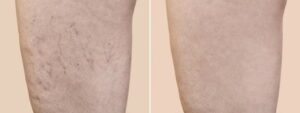 Ultrasound-guided sclerotherapy is a specialised form that uses ultrasound imaging to pinpoint affected varicose veins deep within the legs accurately. Then, with the precise precision of ultrasound guidance, a sclerosing solution is injected into these abnormal veins, which causes them to close. Over time, your body naturally absorbs these dissolved veins and restores healthy blood flow to the area.
Sclerotherapy has been used to treat smaller varicose and spider veins for years. It is a safe and effective treatment that improves symptoms and reduces the appearance of these veins. Recently, changes to Medicare funding have meant that most patients seeking varicose vein treatments in public hospitals will be treated with non-surgical methods.
The procedure involves a short office visit and is usually completed in 30 minutes. Patients are fitted with grade 2 graduated compression stockings and asked to walk around to promote blood flow through the legs. Occasionally, further sclerotherapy sessions may be required to treat any residual veins. This is particularly common in patients with many small or reticular (blue) veins. This is usually only necessary if these cause significant symptoms or have developed skin changes or ulcers. The good news is that recurrence rates are low. For more information about varicose vein treatment Adelaide, click here.
Endoluminal Catheter Ablation
Varicose veins are twisted, enlarged blood vessels near the skin’s surface. They develop when one-way valves weaken and stop working correctly (chronic venous insufficiency). This causes blood to pool, making the swollen and distended veins familiar in many people’s legs.
Endoluminal catheter ablation is available for those who want a minimally invasive procedure to treat their varicose veins. It involves inserting a small tube (catheter) into your blood vessel using ultrasound guidance. Dye is injected to help blood vessels appear more clearly on X-ray images. The health care provider then guides the catheter to the source of your symptoms, usually a faulty valve in the saphenous vein. The tip of the catheter is positioned against the inside wall of the vein, and heat energy is delivered to seal it. Over time, the faulty vein withers and fades away.
Unlike surgical varicose vein stripping and sclerotherapy, this technique removes the need for groin incisions, is safer, less prone to complications, has a shorter recovery period and results in improved cosmetic appearance. It is important to note that most non-surgical varicose vein treatment Adelaide procedures require you to wear compression stockings following the process to reduce bruising and tenderness and minimise the risk of blood clots.
Laser Ablation
Varicose veins are swollen, twisted blood vessels that appear under the skin. They develop when one-way valves in the veins stop working properly, causing blood to pool and enlarge. This condition is called Chronic Venous Insufficiency or CVI. Symptoms include aching, swelling, throbbing and itching of the legs and feet. Varicose veins are often caused by genetics, pregnancy and aging. For more information about varicose vein treatment Adelaide, click here.
Varicosity can be treated with ultrasound-guided sclerotherapy, which involves scanning the leg with an ultrasound to map the vein system. During the procedure, tiny injections of a unique solution called sclerosant are injected into the faulty varicose veins. This causes the vein’s lining to become scar tissue, which eventually shrinks and disappears. This treatment has been around for about 20 years and has been used in Adelaide for 18 years.
Another varicose vein treatment is laser ablation, performed by an RIA Endovascular Interventional Radiologist. This procedure is less invasive than the more traditional surgical procedure of vein stripping. The doctor will numb the leg and then advance an image-guided sheath connected to a catheter containing a laser fibre. The laser is then positioned over the troublesome vein and ablated. Healthy veins then take over the function of the faulty vein, and it is effectively closed.