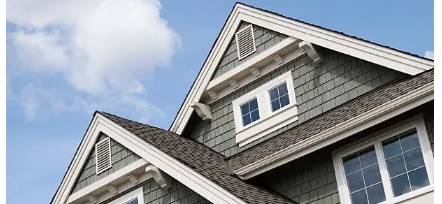
Performing a basic roof check is one of the smartest preventative maintenance steps homeowners in South Australia can take. With Adelaide’s climate shifting between hot, dry summers, sudden winter storms, and occasional high winds, roof wear can happen faster than many expect. While professional inspections are essential for structural issues, homeowners can still assess many problems safely before they escalate.
When it comes to maintaining roofs Adelaide, early detection of minor issues such as loose tiles, blocked gutters, or surface corrosion can prevent costly repairs and water damage inside the home. This guide explains what you can safely inspect on your own, what tools you’ll need, and when to call in a professional roofer.
Why DIY Roof Inspections Matter in Adelaide
Regular visual inspections help homeowners stay ahead of damage caused by weather extremes common in South Australia. Dust storms, UV exposure, and seasonal rain all contribute to gradual roof deterioration. Checking your roof every few months allows you to identify warning signs early, especially if you’re managing older housing stock typical in Adelaide suburbs.
DIY inspections are not about climbing onto unsafe surfaces or performing repairs. Instead, they focus on ground-level observations, ladder edges (when safe), and interior ceiling checks. This proactive habit reduces the risk of long-term structural damage and helps extend the lifespan of roofing systems across various material types, including tile, metal, and Colorbond.
When assessing roofs Adelaide, the goal is to catch minor issues before they develop into leaks or structural compromise.
What You Can Safely Inspect from the Ground
Start your inspection from a stable position on the ground using binoculars if necessary. Walk around your home and look for obvious signs of wear.
Key things to observe include:
● Missing, cracked, or slipped tiles
● Rust patches on metal roofing sheets
● Sagging roof sections or uneven lines
● Debris buildup in roof valleys
● Visible gaps near ridge caps or flashing
In Adelaide’s windy conditions, loose roofing materials can worsen quickly, especially after storms. Even small displacements can allow water to seep underneath roofing layers.
For homeowners checking roofs Adelaide, ground-level observation is the safest and most effective first step.
Gutter and Drainage System Checks
Blocked gutters are one of the most common causes of roof leaks in South Australian homes. Dry leaves, dust, and bird nests can accumulate quickly, particularly in suburban areas with mature trees.
When inspecting gutters:
● Look for overflowing debris after rain
● Check for sagging or detached gutter sections
● Ensure downpipes are not blocked
● Watch for water stains on exterior walls
Poor drainage forces water back under roofing materials, increasing the risk of internal ceiling leaks. Keeping gutters clean is a simple but critical part of maintaining roofs Adelaide, especially before winter rainfall seasons.
Interior Roof and Ceiling Inspection
You don’t always need to go outside to find roof problems. Many early warning signs first appear inside the home.
Check your ceiling for:
● Brown or yellow water stains
● Peeling paint or bubbling plaster
● Musty odours in roof-adjacent rooms
● Visible daylight through roof joints (from attic spaces)
In Adelaide homes with attic or ceiling access, you can safely inspect insulation and timber framing for moisture damage without stepping onto the roof surface. Any dampness or mould growth indicates water intrusion that should be addressed immediately.
When reviewing roofs Adelaide, interior checks are just as important as exterior ones.
Flashing, Valleys, and Roof Edges
Flashing is the thin metal material installed around chimneys, skylights, and roof edges to prevent water entry. These areas are highly vulnerable during heavy rain or strong winds.
Look for:
● Rusted or lifted flashing
● Cracked sealant around edges
● Misaligned metal sheets in roof valleys
● Loose ridge capping along the roof peak
Because Adelaide experiences sudden heavy rainfall, compromised flashing can quickly lead to internal leaks. While you should not attempt repairs yourself, identifying issues early allows a roofer to address them before damage spreads.
For homeowners maintaining roofs Adelaide, edge components are among the most critical inspection points.
Signs of Storm or Heat Damage
South Australia’s climate puts roofing materials under constant stress. Heatwaves can cause metal roofing to expand and contract, while storms can dislodge tiles or branches.
After extreme weather, inspect for:
● Newly fallen roof debris
● Dented or warped metal sheets
● Broken tiles in the yard
● Sudden gutter blockages
● Water intrusion after rain
Even if damage appears minor, repeated exposure weakens roofing integrity over time. This is particularly important for older housing stock in Adelaide’s suburbs, where roofing systems may already be nearing the end of their life.
Monitoring roofs Adelaide after weather events is essential for long-term property protection.
When You Should NOT DIY
While visual inspections are safe, climbing onto a roof without proper training or safety equipment is not recommended. Sloped surfaces, brittle tiles, and weather conditions can make roofs extremely hazardous.
Avoid DIY work if:
● The roof is steep or slippery
● There is visible structural sagging
● Electrical lines are near the roof
● Weather conditions are windy or wet
Instead, document what you see from the ground and contact a licensed roofing professional for assessment.
Final Thoughts
A simple, routine inspection can make a significant difference in preventing costly roof repairs. By learning what to look for safely, Adelaide homeowners can stay ahead of common roofing issues caused by climate conditions, aging materials, and storm exposure. Whether it’s checking gutters, scanning for visible damage, or monitoring interior ceiling signs, these small steps play a big role in protecting your property.
Consistent attention to roofs Adelaide ensures that minor issues are addressed early, helping you maintain a safe, durable, and weather-resistant home year-round.