Wood floors are integral in many homes and commercial spaces, yet their beauty can wane. A floor sanding company Adelaide can restore them to their former glory through smoothing services – revitalising your floors to their former splendour!
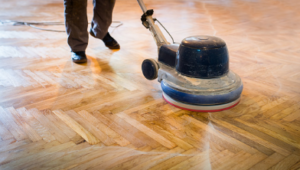 Professional floor sanders use various pieces of sanding equipment to remove layers of worn-down hardwood flooring and produce an appealing surface, making floor sanding both an invaluable skill and profitable trade.
Dustless Floor Sanding
If you plan on having your hardwood floors sanded, make sure that the floor sanding company Adelaide offers dustless sanding, as this will protect both your health and those around you. Furthermore, this reduces clean-up time significantly, so your hardwood floor refinishing project will run more quickly and efficiently.
Before the invention of dustless sanding equipment, refinishing hardwood floors without producing large amounts of dust was nearly impossible. Sanding crews often used protective tarps covering their work area to try to contain this wood dust. Still, these failed miserably as they quickly filled them with dust soaked by vacuuming machines – leaving dust everywhere in your home, taking days for clean-up to finish!
Professional floor sanding companies may install effective dust control systems to manage the dust created by sanding machines, including special canister sanders that collect dust before connecting directly to vacuum hoses for removal from homes and avoidance of air ducts. It makes dust collection much simpler.
Another advantage of dustless sanding is its safety for you and your loved ones, both human and pet alike. Traditional sanding releases wood dust that is dangerous to health; its presence lingers long after a sanding job has concluded, potentially endangering pets and furniture, curtains, and air ducts in your home. Dustless sanding eliminates this threat!
Floor sanding companies with excellent services understand the health risks associated with floor sanding and refinishing, so they offer dustless sanding options as part of their service – this is particularly helpful for individuals sensitive to dust or who suffer from respiratory conditions.
Dustless sanders come in various varieties, from handheld units and drywall sanders to larger floor sanders that can handle heavy-duty sanding applications like gym floors, school classrooms and apartment parquet.
Fast Floor Sanding
If you want your hardwood floors to look their best, enlisting professional floor sanding company Adelaide services may be your answer. They will use drum sanders or heavy-duty belt sanding machines to remove scratches and imperfections from your floor surface.
Be sure to inquire about a professional’s process and timetable when hiring one; most professionals typically devote the first day to sanding and sealing before applying an initial coat of oil-based polyurethane, after which another coat can be added soon as it dries.
An expert can also assist in selecting the appropriate sanding grit for your floor, which comes in different sizes to give a specific smoothness to it.
Use a sanding grit that will leave your wood floors looking smooth, making them easier to keep clean.
Once you’ve selected the appropriate grit, begin sanding in small sections to give yourself an idea of how your floor will turn out. Continue sanding until no shadows or marks are left behind on your wood.
Once finished sanding, it’s important to vacuum your floor carefully afterwards. Vacuuming becomes even more essential if using an abrasive paper sander; your vacuum will vacuum up small particles thrown off by its use; otherwise, they could cause lasting damage to your floor surface.
When using grits higher than 80-grit, use a dust bag or taped-off vacuum nozzle to keep the sandpaper from becoming trapped. A microfiber cloth may also come in handy in clearing away any fine specks of dust that the vacuum cleaner has expelled.
T prevent gouges in your hardwood floors, and it’s crucial to sand slowly. It will ensure that only the outer layers of wood are being sanded rather than their inner structures; this is particularly essential when dealing with wide plank, engineered wood flooring prone to gouges if not treated carefully.