AdelaideHomeImprovements house extensions Adelaide to your home can drastically improve the feel of the space, making it bright and airy. Not only that, but it could also offer you a new place for you and your family to relax together in comfort.
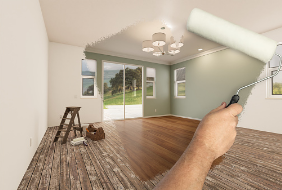 Yet there are numerous moving parts to a house extension project, from getting planning permission to finding the ideal general contractor. So staying organised will help keep your renovation on schedule and within budget.
Cost
House extensions are an excellent way to add value to your property, whether you need extra bedrooms, bathrooms or kitchen spaces for the family or simply a cosy living room where guests can stay. But the cost of creating this extra space may differ significantly, so you must consider this before making any decisions.
The cost of AdelaideHomeImprovements house extensions Adelaide will vary based on the project’s size, style and complexity. Furthermore, the materials used and the workmanship quality must be considered when pricing.
Most builders will price an extension based on its floor space as a general guideline. It typically means more minor single-storey extensions will be more budget-friendly than larger double-storey ones.
AdelaideHomeImprovements house extensions Adelaide require remedial work to the existing building, which could incur unexpected expenses that you weren’t expecting. Therefore, taking time to plan every detail and specification at the start of your project is highly recommended.
Another essential consideration is your insurance. Many policies require informing them of any planned development work before it commences, guaranteeing you have enough coverage to safeguard your home during and after construction.
When considering a building project, obtaining at least three quotes is wise. Doing this will give you an accurate assessment of which prices seem low, high or just about right and allow you to select the best option within your budget.
Planning permission
If you want to extend your home, you must apply for planning permission from the local authority. It may be an expensive process and depends on the size of the extension; however, it can add value to your property and increase living space.
House extensions must abide by national and local planning policies, so you must do your due diligence. Consider whether the design and materials chosen harm the neighbourhood’s character or be inappropriate for nearby properties.
Before making any changes to your house, ensure it is not located within a conservation area or national park. Any listed properties and buildings within these areas require consent for any alterations; thus, contact your local council or heritage office for more details on whether your parcel is protected.
Your house extension cannot exceed half the area surrounding your original dwellinghouse. To calculate how much land the actual residence occupies and then determine any remaining location, measure how far away from it there is in square feet.
Design
Extending a house is an ideal way to increase living space without moving. Additionally, it adds value to your property if you plan on selling it. However, how you design the extension may make or break its appeal to potential buyers.
Glass is often chosen for extensions, creating a lighter and airier atmosphere. Furthermore, this material can be ideal if you want to create spaces that are energy efficient and don’t expose too much direct sunlight.
Building work
Once your designs have been approved, you must get them certified by an architect and engineer. It will give the green light for your extension project and enable you to apply for a building permit.
When selecting an architect to work on your house extension, search for a reliable practice familiar with the area and with experience working on similar projects. Furthermore, ensure they possess enough professional indemnity insurance in case any unforeseen issues arise during construction.
Designing doors and windows correctly for your extension’s interior and outside aesthetic will affect its final look. Ensure they’re the correct size, shape, installation and framing to match the original house while allowing more natural light into the space.
Your local authority will inspect your building work to guarantee it complies with all building regulations and codes of practice. If not, delays could occur or even lead to project rejection.
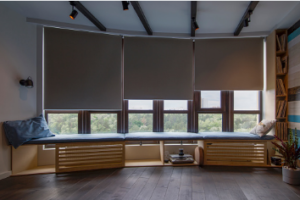 These window treatments are easy to maintain and operate, plus they come equipped with child safety devices to make them secure for children to use.
 The kitten heel has become a beloved shoe among women of all ages. Originally designed as a “training shoe” for young girls transitioning from flats to high heels, its iconic style gained notoriety thanks to Audrey Hepburn’s use of them in her film “Breakfast at Tiffany’s”.
 You can get a
  Choosing the right printer from
  They are also easy to install and don’t take up too much room on a wall. They have a sleek, minimal look that looks great on all homes.
 Maintaining an artificial grass Adelaide lawn is simple, whether you need to keep up its aesthetic appeal or save time and money by not having to mow and edge your yard. In addition, this choice is eco-friendly as it conserves water, helps the environment, and lowers energy costs.
 Lower monthly payments are one of the most appealing benefits of leasing a car. These payments are usually lower than auto loan payments because leases are based on a vehicle’s depreciation when it is being leased rather than on its purchase price.
 Silage wrap is a material that can be used to protect a bale of hay from the elements. It has multiple layers, which provides excellent protection. There are several different types of silage wrap available on the market. The best type for your needs depends on your specific needs.