In the dynamic landscape of business, where every dollar spent must align with strategic objectives, office fitouts stand out as a crucial investment. Especially in a thriving metropolis like Melbourne, where commercial spaces reflect the city’s vibrant energy and competitive spirit, understanding the factors behind the commercial office fitouts cost is paramount for any business aiming to establish or enhance its presence.
The Melbourne Business Hub: A Beacon of Innovation
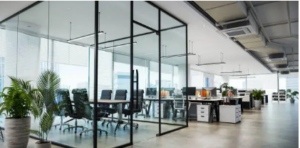 Melbourne, often hailed as Australia’s cultural capital, boasts a diverse economy driven by sectors like finance, technology, healthcare, and creative industries. With a burgeoning startup scene and multinational corporations setting up shop, the demand for modern, functional office spaces has never been higher. Consequently, navigating office fitout budgets requires a nuanced understanding of Melbourne’s unique market dynamics.
Breaking Down Office Fitout Costs
Office fitout costs encompass a wide spectrum of expenses, ranging from design and construction to furniture and technology installations. Each element contributes to creating an environment that fosters productivity, collaboration, and employee well-being. However, it’s essential to delve deeper into these costs to make informed decisions:
- Design and Planning: The initial phase of any office fitout involves conceptualising the space layout, considering factors like workflow optimisation, branding, and employee needs. In Melbourne, where design trends often blend functionality with aesthetics, businesses must allocate resources to engaging experienced architects and designers.
- Construction and Renovation: Transforming a bare commercial space into a functional office requires skilled labour, materials, and permits. And this is a big factor influencing the commercial office fitouts cost. Also, construction costs in Melbourne can vary based on factors such as location, building regulations, and the extent of structural modifications. It’s crucial to work with reputable contractors who understand the local market and can deliver quality results within budget and timelines.
- Furniture and Fixtures: The furniture and fixtures chosen for an office not only influence the aesthetic appeal but also impact comfort and ergonomics. Melbourne businesses often prioritise sustainable and versatile furniture options that align with their brand identity and support flexible work arrangements. Balancing cost-effectiveness with quality is key when selecting furnishings for the workspace.
- Technology Integration: In today’s digital age, technology plays a central role in shaping modern workplaces. From IT infrastructure and connectivity solutions to audiovisual equipment and smart systems, integrating technology seamlessly into the office environment requires careful planning and budget allocation. Businesses in Melbourne must stay abreast of technological advancements to create agile and future-ready workspaces.
Strategies for Managing Office Fitout Budgets
While office fitouts represent a significant financial outlay, businesses can adopt several strategies to optimise costs without compromising on quality or functionality:
- Define Clear Objectives: Before embarking on an office fitout project, articulate clear objectives and priorities. Whether it’s fostering collaboration, enhancing brand identity, or maximising space utilisation, aligning design decisions with strategic goals ensures that every dollar spent delivers tangible value.
- Seek Multiple Quotes: When engaging contractors, suppliers, and service providers, don’t settle for the first option. Solicit multiple quotes to compare pricing, scope of work, and reputation. Building relationships with reliable partners who offer competitive rates can result in cost savings without sacrificing quality.
- Prioritise Essentials: While it’s tempting to indulge in lavish furnishings and extravagant designs, prioritise essential elements that contribute directly to productivity and employee satisfaction. Invest in ergonomic furniture, adequate lighting, and efficient workspace layout before considering discretionary upgrades.
- Embrace Flexibility: The nature of work is evolving, with remote and hybrid work models becoming increasingly prevalent. Designing flexible, multifunctional spaces that adapt to changing needs allows businesses to future-proof their investments and optimise space utilisation over time.
- Plan for Contingencies: No project is immune to unexpected challenges or unforeseen expenses. Building a contingency buffer into the budget cushions against potential overruns ensures that the project remains on track even in the face of adversity.
In the bustling business landscape of Melbourne, where innovation thrives, and competition abounds, office fitouts serve as a reflection of organisational ethos and ambition. By understanding the factors that influence commercial office fitouts cost and adopting proactive budgeting strategies, businesses can transform their workplaces into dynamic hubs of creativity, collaboration, and productivity. Navigating budgets isn’t just about managing expenses; it’s about investing in the future growth and success of the enterprise in the vibrant city of Melbourne.