Garden maintenance is an ongoing practice that involves taking certain actions at various points throughout the year to maintain its health and vitality. Tasks involved include weeding, watering, pruning, mulching and cleaning.
Gardeners take an extensive approach when cleaning up debris left from winter. They assess damage, weed, prune and plant vegetable gardens or flowers. Furthermore, they add mulch as necessary and test the soil.
Spring
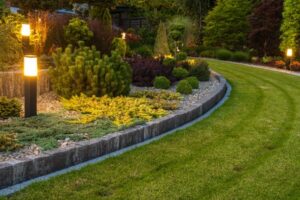 Early spring marks the return of Old Man Winter and is the ideal time for seasonal garden maintenance to inspect your landscape for damage caused by winter weather and make repairs as necessary. Additionally, this is an ideal opportunity to rake and add organic matter directly into flowerbeds to maximise plant health benefits.
Now is an excellent opportunity to plant cool-season vegetables like peas and carrots that will be ready for harvest by summer, as well as perennial flowers such as roses, lilacs, lavender and iris shrubs and roses.
Be sure to remove winter mulch from perennials, ornamental grasses and annual flowers (wear gloves to avoid thorns!) before trimming back last year’s foliage to help prevent disease and weeds. This will also ensure the best performance from your new plantings!
Pruning non-spring blooming shrubs such as holly, spruce, evergreens and boxwood now will set them up to bloom with new leaves and flower bud’s next season. However, it’s wiser to wait until daytime temperatures consistently warm up before pruning so as to not disturb beneficial insects such as ladybugs and assassin bugs that have spent winter hibernating in leaf litter or the soil; these species play an essential role in maintaining garden health along with pollinators like robins and bees.
Summer
As temperatures heat up and flowers start to fade in June, make sure your garden remains in top shape by performing regular maintenance practices such as mowing, weed control and mulching. Mulching helps control weed growth while keeping soil cool and decreasing watering needs. In addition, now is also a good time to discuss pest control solutions with an established seasonal garden maintenance so as to prevent garden pests from munching away at new growth and creating problems in your yard or gardens.
Weeding is of particular importance during summer, as plants thrive when freed of competition from weeds for space, water and nutrients. Staying on top of weeding now will save time during fall garden cleanup and avoid larger problems next year.
As temperatures heat up, many gardeners may find it necessary to protect delicate plants by covering them during the hottest part of each day with lightweight coverings that offer shading. Shading can help decrease how much rainwater falls on plants as well as protect them against leaf burn or other forms of damage that might otherwise arise – saving gardens both money and headaches in the process!
Mid-summer is also an ideal time to fertilise lawns, vegetable gardens and perennial shrubs or perennials that have come into bloom. When selecting fertilisers to use this season make sure they contain low nitrogen levels with high organic content as well as being slow release granular.
Fall
As summer winds down and garden beds go dormant, fall garden maintenance practices provide the foundation for spring growth. Healthy soil, planting suitable varieties that thrive during their respective season, ample water supply, and sufficient nutrients contribute to vigorous plants that are less prone to disease and pest attacks.
Vegetable gardeners must take special care to clean up after themselves each fall. Remove leaves, stems, fruit and other plant debris in order to reduce disease and insect issues next season. Furthermore, covering their vegetable garden with high or low tunnels made from metal hoops and clear plastic (available at greenhouse supply companies) extends growing seasons for frost-sensitive vegetables like beans, kale and squash that require longer growing seasons.
Also, now is an opportune time to hire seasonal garden maintenance to clean and store all gardening tools and equipment. Drain gas from power equipment engines before starting them for the first time next year to prevent engine gumming as well as potential engine problems; drain and wrap hoses prior to storage.
Perennials should be cut back and added to a compost pile along with fallen leaves and organic matter from other sources, like raking leaves and adding unwanted plant matter such as branches, twigs and leaves from landscaping projects, as soon as they have fallen from trees. Doing this now gives it time to warm up the soil before next spring arrives; also an ideal opportunity to lime your vegetable garden beds; many regional soils tend to be too acidic for growing vegetables without additional treatment such as this quick fix!
Winter
Gardeners tend to overlook winter landscape maintenance practices when planning for spring planting, yet it is vitally important. Take time this season to review your landscape, remove any unwanted plants or those reaching their natural lifespan and plan for changes going forward.
Re-mulching is an integral component of winter garden maintenance, protecting soil from evaporation while adding much-needed organic matter. Mulching also offers an ideal opportunity to assess paths and driveways that receive heavy usage – they might require re-graveling or replacement altogether, depending on how often people access your garden.
Pruning overgrown hedges and preparing vegetable gardens for spring planting are both good ways to get ready. Now is also an ideal time to plant winter vegetables like kale or brassicas that thrive in cold conditions; doing this can help you eat seasonally while saving money at the supermarket.
Continue to provide regular seasonal garden maintenance and weeding, monitoring for pests and diseases (organically, if necessary), taking soil tests to ascertain your soil’s pH balance if there have been problems in recent months, season extending techniques (rhubarb, horseradish and asparagus are examples), season-extending techniques to extend growing seasons for seasonal vegetables like these as well as season extenders to extend growing seasons for favourite produce such as these.