
Emergency Dentist Adelaide Emergency Wisdom Tooth Removal in Adelaide – When It’s Urgent

emergency dentist Adelaide

Wisdom teeth can be notorious for causing unexpected pain and complications. When a wisdom tooth becomes impacted, infected, or damaged, immediate care may be necessary. An emergency dentist in Adelaide can provide prompt treatment to relieve pain and prevent serious complications, such as infection spreading or damage to surrounding teeth. Understanding when wisdom tooth removal becomes urgent is crucial for anyone living in South Australia who wants to protect their oral health.

Understanding Wisdom Tooth Problems

Wisdom teeth, also known as third molars, typically emerge between the ages of 17 and 25. While some individuals experience no issues, others face severe discomfort. Problems often arise when teeth are misaligned, partially erupted, or trapped beneath the gum. Common symptoms that indicate a problem include swelling, redness, persistent pain, difficulty opening the mouth, and bad breath. Ignoring these signs can lead to more serious conditions, making timely intervention by an emergency dentist essential.

In Adelaide, dental clinics are well-equipped to handle urgent wisdom tooth situations. Many clinics provide same-day appointments, ensuring patients receive immediate relief and care. Waiting too long can exacerbate pain and increase the risk of infection, which may require more extensive surgical intervention.

When Wisdom Tooth Removal Becomes an Emergency

Not every discomfort warrants immediate extraction. However, certain conditions signal the need for urgent attention. If you experience severe swelling, unbearable pain, or fever in addition to toothache, these are strong indicators that the situation is critical. Additionally, pus around the tooth, difficulty swallowing, or a rapidly expanding infection are signs that waiting could endanger your health.

An emergency dentist Adelaide trusts can assess the severity of the issue, perform necessary X-rays, and determine whether urgent extraction is required. The right professional will also manage pain effectively, provide antibiotics if an infection is present, and explain post-operative care to prevent complications.

The Procedure: What to Expect

Emergency wisdom tooth removal is a procedure performed under local or general anesthesia, depending on the complexity of the extraction. The dentist first ensures the area is numb, then carefully removes the tooth while minimising trauma to surrounding tissues. In more complicated cases, surgical techniques may be necessary to extract impacted teeth safely.

Patients in Adelaide benefit from dental clinics that emphasise both safety and efficiency. Experienced emergency dentists are trained to handle complex cases while reducing recovery time and minimising discomfort. After the extraction, patients receive detailed instructions regarding diet, oral hygiene, and follow-up care. This guidance is crucial to prevent dry socket, excessive bleeding, or secondary infection.

Choosing the Right Emergency Dentist in Adelaide

Selecting a skilled and reliable dentist is vital for effective wisdom tooth extraction. Look for clinics with proven experience in emergency procedures, advanced imaging technology, and a reputation for patient care. Reviews from local residents can provide insight into the quality of service, response times, and post-treatment support.

Accessibility is another key factor. Adelaide residents should choose a clinic that offers flexible hours, same-day appointments, and clear communication regarding fees and procedures. An emergency dental clinic in Adelaide that meets these criteria ensures that urgent cases are handled promptly, safely, and professionally.

Recovery and Aftercare

Recovery from wisdom tooth removal varies depending on the complexity of the extraction. Patients typically experience mild swelling, soreness, and occasional bruising for a few days. Cold compresses, pain relief medication, and a soft-food diet are commonly recommended to aid healing. Maintaining oral hygiene while avoiding trauma to the extraction site is essential for preventing complications.

Emergency dentists in Adelaide provide clear aftercare instructions, including what symptoms require a follow-up visit. Prompt attention to any unusual pain, persistent bleeding, or signs of infection ensures a smooth recovery and minimises the risk of long-term dental issues.

Conclusion

Wisdom tooth problems can escalate quickly, making urgent care from a qualified emergency dentist in Adelaide critical. Recognising the signs of infection, impaction, or severe discomfort can prevent serious complications and reduce overall pain. With professional expertise, modern facilities, and comprehensive aftercare, Adelaide residents can confidently address emergency wisdom tooth issues and maintain optimal oral health. Timely intervention ensures not only relief from pain but also long-term protection of your teeth and gums.


Silage Plastic How Australian Farmers Are Adapting Silage Plastic Use Amid Rising Costs

silage plastic

In the face of rising costs and economic pressures, Australian farmers are rethinking their use of silage plastic to maintain efficiency and profitability. Silage plastic plays a crucial role in preserving forage quality for livestock, but escalating prices for this essential material have forced many to adopt innovative strategies. This article explores how farmers across Australia are adapting their silage plastic practices, balancing cost management with the need to safeguard their feedstocks.

The Rising Cost of Silage Plastic and Its Impact on Australian Agriculture

Silage plastic is indispensable for protecting harvested forage crops, enabling farmers to store nutritious feed for cattle and other livestock throughout the year. However, recent global supply chain disruptions and increased raw material prices have led to significant cost hikes for silage plastic in Australia. Many farmers have reported paying 20% to 30% more than in previous seasons, putting pressure on already tight farm budgets.

With silage plastic costs rising, the question for Australian producers is clear: How can they continue to use this vital resource without compromising their bottom line? The answer lies in a combination of smarter purchasing decisions, better usage techniques, and embracing alternative materials and technologies.

Strategic Purchasing: Bulk Buying and Local Sourcing

One keyway Australian farmers are adapting is through strategic purchasing. Many are collaborating to buy silage plastic in bulk, leveraging economies of scale to secure lower prices. Regional farming cooperatives and associations have emerged as effective channels to negotiate better deals directly with suppliers, bypassing intermediaries.

Additionally, some producers are turning to local manufacturers who offer competitive pricing and quicker delivery times. Local sourcing reduces freight costs and mitigates the risks of delays, especially during critical harvest periods. These approaches are helping farmers stretch their budgets while maintaining the quality of silage covers.

Extending the Life of Silage Plastic Through Improved Handling

Reducing waste is another crucial tactic. Farmers are investing in training and better equipment to ensure silage plastic is applied and removed with minimal damage. Proper handling extends the lifespan of silage plastic rolls, allowing multiple seasons of use when feasible.

For instance, Australian farmers are increasingly adopting roller systems and mechanised unwrapping tools that prevent tears and punctures. They are also emphasising careful storage of leftover silage plastic away from sunlight and sharp objects to prevent premature degradation. These small but effective practices help reduce the frequency of replacement purchases.

Exploring Innovative Alternatives and Recycling Programs

Innovation is playing a pivotal role as well. Some farmers are trialling new types of silage plastic with enhanced durability or UV resistance, which promise longer service lives despite higher upfront costs. Others are experimenting with biodegradable silage covers that align with growing environmental concerns while potentially lowering waste management expenses.

Australia also boasts several silage plastic recycling initiatives, which are gaining momentum amid rising material prices. Programs in states like Victoria and New South Wales encourage farmers to return used plastic for processing into new products. Participation in such recycling schemes not only supports sustainability but may also offer cost benefits in the long term.

Technology-Driven Efficiency: Precision and Monitoring

Beyond materials and handling, technology adoption is helping Australian farmers optimise silage plastic use. Precision agriculture tools, including drones and remote sensors, provide detailed insights into silage pit integrity and spoilage risks. By monitoring silage conditions in real-time, farmers can address issues proactively, preventing unnecessary wastage and reducing the need for excess plastic coverage.

Moreover, advanced balers with integrated plastic wrapping systems ensure uniform coverage, reducing material overlap and minimising waste. These technological enhancements contribute to more efficient silage plastic use and overall feed conservation.

Case Study: Adaptation Success in Southern Queensland

In Southern Queensland, a region heavily reliant on beef production, farmers have showcased innovative silage plastic adaptation strategies. One cooperative pooled resources to purchase silage plastic directly from a manufacturer, reducing costs by 15%. Simultaneously, members participated in a state-supported recycling program, cutting plastic waste by nearly 40%.

Additionally, many invested in training workshops focused on correct application techniques, which decreased plastic damage and extended usage periods. These combined efforts not only mitigated the impact of price rises but also enhanced forage quality and farm sustainability.

Looking Ahead: Balancing Costs, Sustainability, and Productivity

As Australian farmers face continued economic challenges, adapting silage plastic use remains a priority. While rising costs present hurdles, they also drive innovation and collaboration across the agricultural sector. By adopting strategic purchasing, improving handling practices, embracing new materials and recycling, and leveraging technology, farmers are navigating this complex landscape confidently.

Silage plastic is more than just a covering—it is a critical tool supporting livestock productivity and farm viability. Australian farmers’ ability to evolve their use of silage plastic amidst cost pressures exemplifies the resilience and forward-thinking nature of the nation’s agricultural community.

Conclusion

The escalating cost of silage plastic in Australia has prompted a wave of adaptations among farmers aimed at maintaining efficient forage preservation without inflating expenses. Through bulk purchasing, better handling, recycling programs, technological innovation, and cooperative efforts, Australian farmers are finding new ways to manage silage plastic sustainably and economically. These strategies not only protect their livelihoods but also contribute to the long-term sustainability of Australian farming.

If you want to learn more about the latest trends in silage plastic use or explore innovative agricultural practices in Australia, feel free to ask!

Sheer Curtains Care and Maintenance for Long-Lasting Beauty

sheer curtains

Sheer curtains are a popular choice for Adelaide homes, offering elegance, natural light, and a touch of sophistication. Their lightweight, translucent fabrics allow sunlight to gently filter into rooms, creating an inviting atmosphere without compromising privacy. While sheer curtains can elevate the style of any space, maintaining their beauty requires proper care. With the right approach, Adelaide homeowners can enjoy the aesthetic and functional benefits of sheer curtains for years to come.

Understanding Sheer Curtain Fabrics

The first step in effective maintenance is understanding the type of fabric your sheer curtains are made from. Common materials include voile, chiffon, organza, and lightweight linen blends. Each fabric has its own characteristics and care requirements:

  • Voile: Soft and smooth, voile is highly delicate and requires gentle washing to prevent damage.

  • Chiffon: Slightly textured, chiffon can wrinkle easily, so careful handling and light ironing may be necessary.

  • Organza: Crisp and structured, organza is more durable but can still snag if caught on sharp objects.

  • Linen Blends: Breathable and natural, linen blends are prone to minor wrinkles but are generally low-maintenance and long-lasting.

Knowing the fabric helps you determine the best cleaning methods and ensures that your sheer curtains retain their elegance over time.

Regular Cleaning for Sheer Curtains

Adelaide homes, especially those in suburban or coastal areas, can accumulate dust, pollen, and occasional pollutants. Regular cleaning keeps sheer curtains looking fresh and prevents long-term fabric damage.

  • Dusting: A weekly dusting with a soft brush or vacuum cleaner attachment helps remove surface dust and reduces the need for frequent washing.

  • Spot Cleaning: For small stains, use a mild detergent and a damp cloth to gently blot the affected area. Avoid rubbing, as this can damage delicate fabrics.

  • Full Wash: Most sheer curtains can be machine washed on a gentle cycle using cold water and mild detergent. Always check care labels, and consider using a mesh laundry bag to protect delicate fabrics. For delicate fabrics like voile or chiffon, hand washing may be preferable.

Regular cleaning not only maintains the appearance of your curtains but also enhances indoor air quality by reducing dust and allergens—a practical benefit for Adelaide homes with children or pets.

Drying and Ironing

Proper drying is essential to prevent wrinkles and fabric distortion. After washing, hang sheer curtains immediately to air dry. Avoid direct sunlight for prolonged periods, as this can cause fading, especially in bright Adelaide homes.

If ironing is necessary, use the lowest heat setting appropriate for the fabric. Place a clean cloth between the iron and the curtain to prevent scorching or shiny marks. For fabrics like organza and chiffon, steaming is often safer than direct ironing, providing a smooth finish without damaging delicate fibers.

Protecting Sheer Curtains from Sun Damage

While sheer curtains are designed to let light in, prolonged exposure to harsh sunlight can weaken fibers and cause colors to fade. Adelaide’s abundant sunshine makes this a relevant consideration. To protect your curtains:

  • Rotate Panels: Occasionally, swap curtain panels between windows to ensure even exposure to sunlight.

  • Use Blinds or Shades: Pair sheer curtains with adjustable blinds or roller shades to limit direct sunlight during peak hours.

  • UV-Resistant Treatments: Some sheer fabrics are available with built-in UV protection, which can extend the life of your curtains.

Handling and Maintenance Tips

Gentle handling is key to prolonging the life of sheer curtains. Avoid pulling aggressively when opening or closing, as this can stretch or tear delicate fabrics. Regularly check for snags, loose threads, or small tears and repair them promptly to prevent further damage.

For homes in Adelaide’s coastal areas, where humidity can be higher, occasional airing of curtains is beneficial to prevent moisture buildup and mild mildew. Simply opening windows and allowing air circulation can help maintain the fabric’s freshness.

Stylish and Lasting Interiors

Maintaining sheer curtains is more than a practical task—it is an investment in the long-term beauty and style of your Adelaide home. Well-cared-for curtains not only look elegant but also enhance natural light, provide privacy, and complement your interior design. Regular dusting, careful washing, proper drying, and sun protection ensure your curtains remain a bright and inviting feature in your living spaces.

Conclusion

Sheer curtains are a versatile and stylish addition to any Adelaide home. Their delicate fabrics and light-filtering qualities can transform a room, creating a sense of openness and sophistication. However, their beauty is best preserved through careful maintenance. By understanding fabric types, cleaning regularly, protecting against sun damage, and handling curtains gently, homeowners can enjoy long-lasting elegance. Whether in a city apartment, suburban house, or coastal property, maintaining sheer curtains ensures that they remain a timeless, functional, and attractive element of your home décor.

Physio Marden The Role of Physiotherapy in Everyday Health

Physio Marden

When most people think of physiotherapy, they often associate it with recovering from sports injuries or post-surgical rehabilitation. While those are important aspects, the role of a physio Marden extends far beyond that. Physiotherapy plays a significant part in maintaining everyday health, preventing issues before they arise, and supporting overall wellbeing. For residents of Marden, South Australia, having access to expert physiotherapy care means a healthier, more active, and more confident lifestyle.

Understanding the Role of a Physiotherapist

A physiotherapist is a trained healthcare professional who specialises in movement and function. Their work focuses on diagnosing, treating, and preventing problems that affect muscles, joints, and mobility. But physiotherapy isn’t just for athletes or those recovering from surgery—it benefits people of all ages and lifestyles.

In Marden, physiotherapists regularly assist patients with:

  • Chronic pain such as back or neck stiffness.
  • Posture-related issues from office or home work.
  • Joint concerns like arthritis.
  • Rehabilitation after falls or accidents.
  • Mobility challenges associated with aging.

By addressing these common problems, physiotherapists help people enjoy everyday life without the limitations of discomfort or restricted movement.

Everyday Health Challenges in Marden

Like many communities, Marden residents lead diverse lives. Some spend long hours at desks, others are active in local sports clubs, and many enjoy walking or cycling along the River Torrens Linear Park. Each lifestyle brings its own physical challenges.

Office workers may develop poor posture and repetitive strain injuries. Parents may face back and shoulder discomfort from lifting children or household tasks. Older adults may find their mobility slowing down due to joint stiffness or reduced balance. A physio Marden understands these everyday challenges and creates personalised treatment plans that fit the needs of the community.

Pain Relief Without Reliance on Medication

One of the key roles of physiotherapy in everyday health is managing pain naturally. Instead of relying solely on medication, which often provides only temporary relief, physiotherapists use evidence-based techniques to address the root cause of discomfort.

Manual therapy, stretching routines, strengthening exercises, and posture corrections are common approaches. For example, someone dealing with recurring lower back pain may benefit from core stability training and ergonomic advice for their workstation. This holistic method helps reduce pain while supporting long-term mobility and health.

Improving Mobility and Flexibility

Everyday health relies on the ability to move comfortably. A physiotherapist works with patients to improve flexibility, strength, and balance, which in turn enhances independence. This is particularly important for seniors in Marden, who may face mobility challenges as they age.

By restoring flexibility and range of motion, physiotherapy allows people to stay active in their daily routines—whether that’s gardening, playing with grandchildren, or participating in community activities.

Preventing Injuries Before They Happen

Prevention is one of the most valuable aspects of physiotherapy. Instead of waiting until pain becomes unbearable or an injury occurs, physiotherapists help patients identify risks early. Weak muscles, poor posture, and incorrect movement patterns can all contribute to future problems.

For example, a physiotherapist may teach safe lifting techniques to prevent back injuries or provide stretching routines for local runners to avoid overuse injuries. These preventative strategies protect everyday health and reduce time lost to pain or recovery.

Supporting Mental and Emotional Wellbeing

Physical health and mental health are closely linked. Chronic pain, reduced mobility, and recurring injuries can take an emotional toll, leading to stress and frustration. A physiotherapist in Marden not only addresses the physical aspects of health but also provides reassurance and guidance throughout the recovery process.

Many patients find that as their pain decreases and movement improves, their confidence and overall outlook on life also improve. This holistic impact is a core part of physiotherapy’s contribution to everyday health.

Long-Term Benefits of Physiotherapy in Everyday Health

The everyday role of physiotherapy is not just about immediate relief—it’s about creating lasting improvements. Patients who commit to regular physiotherapy often experience:

  • Reduced reliance on medication.
  • Improved posture and flexibility.
  • Better overall strength and resilience.
  • Increased confidence in daily activities.
  • A lower risk of recurring injuries or mobility issues.

These long-term benefits make physiotherapy a valuable investment in one’s overall health and quality of life.

Final Thoughts

For the people of Marden, South Australia, physiotherapy is more than just a response to injury—it’s an essential part of everyday health. With the guidance of a skilled physio Marden, residents can manage pain, restore mobility, prevent injuries, and maintain an active, fulfilling lifestyle.

By choosing local care, patients gain access to personalised support that fits their unique needs and daily routines. Physiotherapy ensures that movement, strength, and confidence remain a part of everyday life, helping Marden residents enjoy better health now and in the future.

Dental Braces Adelaide How to Choose the Right Orthodontist for Your Smile

Dental Braces Adelaide

Achieving a confident, radiant smile often begins with the right orthodontic care, and for residents in South Australia, dental braces Adelaide offer an effective solution for aligning teeth, correcting bite issues, and enhancing overall oral health. However, choosing the right orthodontist is just as important as selecting the type of braces. With numerous clinics across Adelaide, understanding what to look for can save time, reduce stress, and ensure optimal results for your smile.

Understanding Your Orthodontic Needs

Before scheduling consultations, it’s essential to understand your specific orthodontic requirements. Dental braces can address a range of issues, from crooked teeth and gaps to overbites, underbites, and misaligned jaws. A thorough evaluation by a qualified orthodontist in Adelaide will determine the most suitable treatment plan tailored to your unique dental structure.

Modern braces come in various types, including traditional metal braces, ceramic braces, lingual braces, and clear aligners such as Invisalign. Each option has its benefits, considerations, and lifestyle implications. For example, clear aligners are nearly invisible and removable, making them popular for adults, while traditional braces may be more effective for complex cases. Understanding your preferences, lifestyle, and budget helps narrow down the options.

When considering dental braces Adelaide, patients should also factor in the duration of treatment. Complex cases may require longer periods of adjustment, sometimes up to two or three years, while minor corrections can occasionally be completed in under a year. Discussing expectations upfront ensures both you and your orthodontist are aligned on achievable goals.

Researching Credentials and Experience

One of the most critical steps in selecting an orthodontist is evaluating their credentials and experience. Look for professionals registered with the Australian Health Practitioner Regulation Agency (AHPRA) and those who have completed specialised training in orthodontics. Experienced practitioners in Adelaide often showcase before-and-after photos of previous patients, providing insight into their skill, attention to detail, and treatment outcomes.

It’s also worth inquiring about the clinic’s technological capabilities. Advanced imaging tools, digital scans, and 3D modelling can enhance treatment accuracy, reduce discomfort, and shorten adjustment times. Clinics that invest in cutting-edge technology demonstrate a commitment to providing high-quality, modern care tailored to each patient’s needs.

Assessing Patient Reviews and Testimonials

Word-of-mouth and online reviews play a significant role in evaluating potential orthodontists in Adelaide. Patient testimonials reveal not only the quality of dental work but also the level of customer service, clinic atmosphere, and overall satisfaction. Look for consistent feedback regarding professionalism, punctuality, and post-treatment support.

Visiting multiple clinics for consultations allows you to compare experiences directly. Pay attention to how staff communicate, how thoroughly questions are answered, and how treatment options are explained. A friendly, transparent approach is essential, as orthodontic care often involves multiple visits over several months or years. Feeling comfortable with the staff and the clinic environment contributes to a positive treatment experience.

Understanding Costs and Payment Options

Cost is an important factor when considering dental braces Adelaide, but it should not be the sole deciding element. While orthodontic treatments are a significant investment, choosing the cheapest option may compromise quality or long-term results. Most clinics provide detailed breakdowns of treatment costs, including initial consultations, braces installation, follow-up visits, and retainers.

Many Adelaide orthodontists offer flexible payment plans or finance options, making it easier to manage expenses without compromising care. It’s also important to clarify insurance coverage and confirm whether the clinic works with your provider to avoid unexpected out-of-pocket costs. Being fully informed about pricing ensures you can plan financially and focus on achieving the best possible outcome for your smile.

Prioritising Comfort and Personal Fit

Ultimately, choosing the right orthodontist comes down to personal comfort and trust. You should feel confident in the practitioner’s abilities and at ease within the clinic environment. Orthodontic treatment requires ongoing collaboration, and building a positive relationship with your orthodontist ensures better adherence to care instructions and a smoother treatment journey.

During your consultation, ask questions about follow-up visits, potential complications, and emergency protocols. A responsive orthodontist who prioritises patient well-being is more likely to deliver a satisfying experience and long-lasting results. Additionally, consider clinics that offer a welcoming atmosphere, clear communication, and supportive staff, as these elements contribute to overall comfort and satisfaction throughout the treatment period.

Conclusion

For those seeking dental braces Adelaide, selecting the right orthodontist is a critical step toward achieving a healthy, beautiful smile. By understanding your orthodontic needs, researching credentials, reviewing patient feedback, considering costs, and prioritising personal comfort, you can make an informed choice that sets the foundation for successful treatment. With careful planning, professional guidance, and ongoing support, your journey to a confident smile in Adelaide becomes both seamless and rewarding.

Investing in the right orthodontist today ensures your smile not only looks great but also promotes long-term oral health and confidence for years to come.

Silage Film How Australian Farmers Choose the Right Silage Film for Their Crops

Silage Film

In Australia’s diverse agricultural landscape, the choice of silage film is critical for farmers aiming to preserve high-quality forage. Silage film plays a vital role in protecting crops from moisture, oxygen, and contaminants during storage, ensuring nutritious feed for livestock throughout the year. With varying climates across regions — from the tropical north to the temperate south — Australian farmers must make informed decisions when selecting silage film that suits their unique conditions and crop types. This article explores the key factors influencing silage film choice among Australian farmers, providing insights into technology, durability, and environmental considerations.

Understanding the Role of Silage Film in Crop Preservation

Silage film serves as a protective barrier, creating an anaerobic environment that promotes fermentation and prevents silage spoilage. Australian farmers rely on this technology to extend the shelf life of crops such as corn, sorghum, and various grasses used in livestock feed. The success of silage preservation hinges on the quality and properties of the silage film used — a poor choice can lead to oxygen infiltration, mould growth, and nutrient loss, impacting animal health and farm profitability.

Climate and Regional Differences Shape Silage Film Selection

Australia’s vast geographic span presents distinct climatic challenges. In tropical regions like Queensland and the Northern Territory, intense sunlight and high humidity can degrade silage film rapidly. Here, UV-resistant silage films with enhanced durability are preferred to withstand harsh weather conditions. Conversely, farmers in cooler southern states such as Victoria and Tasmania might prioritise silage films that offer superior oxygen barriers to maintain fermentation quality during longer storage periods.

For instance, farmers in drought-prone Western Australia might opt for silage films with strong puncture resistance to minimise damage during handling and transportation. The decision often involves balancing cost with performance, ensuring that the silage film can endure local environmental stresses without excessive expense.

Key Features Australian Farmers Look for in Silage Film

When selecting silage film, farmers focus on several technical features:

  • Thickness and Strength: Thicker films (usually measured in microns) provide better puncture resistance and durability, crucial for protecting silage from physical damage caused by machinery or wildlife.
  • Oxygen and Moisture Barrier Properties: High-quality silage films prevent oxygen ingress and moisture loss, preserving the crop’s nutritional content and promoting effective fermentation.
  • UV Resistance: Australian sunlight can quickly degrade conventional plastic films. UV-resistant silage films maintain integrity over extended periods, especially in exposed outdoor storage.
  • Stretchability and Cling: Films with good stretch properties and clingability ensure tight wrapping around bales or silage stacks, minimising air pockets and improving preservation efficiency.
  • Environmental Considerations: Increasingly, Australian farmers are conscious of the environmental impact of silage films. Biodegradable or recyclable films are gaining traction, allowing farmers to reduce plastic waste while maintaining silage quality.

The Influence of Crop Type on Silage Film Choice

Different crops require varying silage film properties due to differences in moisture content and fermentation characteristics. For example, high-moisture crops like sorghum need films with excellent oxygen barrier capabilities to prevent spoilage. Meanwhile, drier grasses might tolerate slightly less impermeable films but still require good UV protection.

Farmers often consult agronomists or silage specialists to match the film to the specific crop’s needs, ensuring optimal fermentation and feed quality. Customised approaches help reduce wastage and improve livestock nutrition.

Technological Innovations in Silage Film

Australian farmers benefit from ongoing advancements in silage film technology. New multi-layer films combine different polymers to optimise barrier properties and durability without significantly increasing cost. Some films feature integrated additives to slow down microbial growth on the film surface, extending silage longevity.

Additionally, smart films that change colour or texture based on temperature or oxygen exposure are emerging, enabling farmers to monitor silage condition remotely and reduce losses. These innovations contribute to smarter farm management and resource efficiency in Australian agriculture.

Practical Considerations: Cost vs. Longevity

Price remains a major consideration for farmers. While premium silage films offer superior protection, they come at higher upfront costs. Many Australian farmers perform cost-benefit analyses to find films that balance durability and price. For short-term silage storage, a mid-range film may suffice, but for long-term stockpiling, investing in premium films can prevent significant losses.

Farmers also consider the availability of silage film suppliers in their region and the support services provided, such as technical advice and bulk purchasing options.

Conclusion: Tailoring Silage Film Choices to Australian Farming Realities

Choosing the right silage film is an essential decision that influences crop preservation, livestock nutrition, and farm profitability across Australia. By considering regional climates, crop types, film properties, and environmental impact, Australian farmers make confident, informed choices tailored to their unique agricultural needs.

As technology continues to evolve and sustainability becomes a stronger focus, the future of silage film in Australian farming looks promising, offering durable, efficient, and eco-friendly options that support the nation’s thriving agricultural sector.

If you’re an Australian farmer looking to optimise your silage preservation, understanding these factors will help you select the ideal silage film — ensuring your crops stay fresh and your livestock stay healthy year-round.

Plantation Shutters Adelaide: The Benefits of Plantation Shutters for Sunrooms

plantation shutters Adelaide

Sunrooms are a cherished feature in many Adelaide homes, offering a bright, inviting space that blends indoor comfort with outdoor charm. However, the challenge lies in managing light, temperature, and privacy without compromising style. It is where sunroom plantation shutters emerge as a superior solution—balancing function and aesthetics with remarkable ease. In this article, we explore how plantation shutters can transform your sunroom experience, making it more comfortable, stylish, and energy-efficient.


The Growing Popularity of Sunrooms in Adelaide

plantation shutters Adelaide
Plantation shutters for sunrooms

Adelaide’s temperate climate encourages homeowners to incorporate sunrooms into their living spaces. These sunrooms serve as multipurpose areas—ideal for relaxing, entertaining, or enjoying natural light without the direct exposure to the elements. However, the very feature that makes sunrooms attractive—the abundance of glass—also creates challenges such as excessive glare, heat gain, and limited privacy.


As homeowners seek to optimise their sunroom environments, window treatments play a pivotal role. Among the options available, sunroom plantation shutters stand out for their versatility and timeless appeal.


What Are Plantation Shutters?

Plantation shutters are a type of window covering featuring wide, horizontal slats (louvres) that can be tilted to control the amount of light and airflow entering a room. Traditionally made from wood, modern versions may also use durable composites suited for sunroom environments.

Their design offers several advantages:


Adjustable louvres for customisable light control

Solid construction providing insulation

Enhanced privacy without sacrificing natural views

Classic and elegant appearance that complements various interior styles


Why Choose Sunroom Plantation Shutters in Adelaide?

Superior Light Control and Glare Reduction

Sunrooms typically receive intense sunlight throughout the day, which can cause uncomfortable glare and fade furnishings. Plantation shutters allow precise control over natural light by adjusting the louvres. This flexibility enables homeowners to reduce harsh sunlight while still enjoying bright, airy spaces.


Unlike curtains or blinds, which either block light entirely or leave gaps, plantation shutters offer a balanced solution. Their slats can be angled to diffuse sunlight gently, maintaining a pleasant ambience without sacrificing illumination.

Enhanced Temperature Regulation and Energy Efficiency

Adelaide’s climate can bring warm summers and cooler winters, making temperature control essential for sunroom comfort. Plantation shutters provide excellent insulation by creating a barrier between the glass and the room’s interior.


In the summer months, closing the shutters helps to block out heat, reducing reliance on air conditioning and lowering energy bills. Conversely, during colder periods, shutters retain warmth inside, contributing to a cozier atmosphere. This energy efficiency makes plantation shutters an environmentally friendly and cost-effective choice for sunrooms.

Increased Privacy Without Compromising Views

One common concern with sunrooms is maintaining privacy while preserving the openness that glass walls provide. Plantation shutters offer an elegant answer: adjust the slats to block direct sightlines without fully closing off the view.


This level of privacy control is particularly valuable in suburban Adelaide neighbourhoods, where homes may be in close proximity. With plantation shutters, you can enjoy your sunroom sanctuary without feeling exposed to neighbours or passersby.

Durability Suited for Sunroom Conditions

Sunrooms experience higher levels of sunlight and sometimes humidity compared to other rooms. This environment can cause some window treatments to warp, fade, or degrade over time.


High-quality sunroom plantation shutters designed for such conditions use materials resistant to UV rays and moisture, ensuring longevity and maintaining their pristine appearance. This durability translates to a wise investment for any Adelaide homeowner looking to enhance their sunroom.

Style and Customisation to Match Any Décor

Plantation shutters are renowned for their timeless elegance. They seamlessly integrate into various interior styles—from modern minimalist to classic country designs. In addition, shutters come in a range of finishes, colours, and materials, allowing customisation to suit your sunroom’s unique aesthetic.


Whether your sunroom features traditional wooden beams or sleek, contemporary furnishings, plantation shutters provide a polished, cohesive look that elevates the entire space.


Conclusion:

For Adelaide homeowners looking to enhance their sunroom’s comfort, style, and energy efficiency, sunroom plantation shutters offer a superior solution. Their unique ability to control light, improve temperature regulation, ensure privacy, and withstand environmental factors makes them an investment that pays dividends year-round.


Combining timeless elegance with modern functionality, plantation shutters elevate sunrooms into truly versatile and inviting living spaces. If you want to transform your sunroom into a comfortable retreat that reflects your style, investing in plantation shutters is a decision that will enhance both your home’s value and your quality of life.

ISO 45001 Auditor: Elevate Your Career in Workplace Health and Safety Compliance

ISO 45001 auditor

In today’s increasingly regulated and safety-conscious work environments, the role of a lead ISO 45001 auditor has never been more critical—or more rewarding. As organisations across Australia commit to maintaining safe workplaces and meeting international compliance standards, professionals who master ISO 45001 auditing are gaining significant leverage in their careers. Whether you’re already in occupational health and safety (OHS) or looking to expand into auditing, this certification can open doors to leadership roles, consultancy opportunities, and cross-industry recognition.


Understanding the Role of a Lead ISO 45001 Auditor

ISO 45001 auditor
iso 45001 auditor helping elevate your career in workplace health and safety compliance

A lead ISO 45001 auditor is a qualified professional who assesses an organisation’s Occupational Health and Safety Management System (OHSMS) against the ISO 45001 standard. This international benchmark outlines requirements for managing workplace risks and improving employee safety.


Beyond conducting audits, lead auditors often train internal teams, recommend improvements, and play a crucial role in achieving and maintaining compliance. In Australia, where the Work Health and Safety (WHS) Act imposes strict employer responsibilities, ISO 45001 compliance is a strong strategic asset—and auditors are central to that effort.


Why ISO 45001 Certification Is In High Demand

Australia’s regulatory landscape is tightening, especially in high-risk industries like construction, manufacturing, mining, and logistics. The demand for qualified lead ISO 45001 auditors is rising, driven by:


Increased legal obligations for employers to manage WHS risks

Globalisation of standards, especially for companies trading internationally

Stakeholder expectations for transparent health and safety systems

Third-party certification requirements in competitive procurement processes


ISO 45001 is rapidly becoming a baseline requirement for doing business, not just an optional improvement strategy.


Career Benefits of Becoming a Lead ISO 45001 Auditor


Elevated Professional Credibility

Certification as a lead ISO 45001 auditor signals a high level of expertise in safety management systems. Employers, regulators, and clients view certified auditors as trusted authorities capable of identifying risks and driving continuous improvement. This credibility translates into better job offers, consulting contracts, and long-term career stability.


Increased Earning Potential

Whether employed in-house or working independently, lead auditors typically command higher salaries and daily rates compared to general OHS officers. In Australia, qualified lead auditors can earn between $100,000 and $150,000 annually, with freelance consultants often earning more based on project complexity and demand.


Diverse Industry Opportunities

ISO 45001 is not limited to a single sector. Becoming a lead ISO 45001 auditor gives you access to roles across construction, healthcare, manufacturing, logistics, oil and gas, education, and even government. This cross-sector relevance makes your skillset resilient to market shifts.


Pathway to Senior Leadership

Lead auditors often move into senior management roles such as WHS Manager, Risk and Compliance Director, or even into executive-level positions. Their strategic understanding of systems and compliance makes them valuable assets in boardroom discussions.


How to Become a Lead ISO 45001 Auditor in Australia

To become a certified lead ISO 45001 auditor, you typically need to complete a formal training course accredited by Exemplar Global or a similar recognised body. Here’s a roadmap:


Meet Prerequisites: A background in OHS, risk management, or quality systems is usually required.

Complete Lead Auditor Training: A five-day course covering ISO 45001, audit principles, techniques, and case studies.

Pass the Examination: Most programs include a written test and practical audit scenario evaluations.

Gain Audit Experience: After training, candidates must participate in several real audits—both as a team member and team leader.

Apply for Certification: Once you have satisfied the training and experience requirements, apply to become a certified lead auditor through a body like Exemplar Global or RABQSA.


Conclusion:

Becoming a lead ISO 45001 auditor in Australia isn’t just a career move—it’s a commitment to shaping safer workplaces and becoming a leader in health and safety compliance. With growing demand, high earning potential, and the opportunity to work across industries, this role offers a powerful pathway for professionals who are ready to step up.


In a world where safety is more than just a policy—where it’s a pillar of operational excellence—your expertise as a lead auditor can make all the difference. Whether you’re looking to advance in your current organisation or explore consultancy, the journey to becoming a lead ISO 45001 auditor is a strategic investment in your future.

Commercial Carpet Cleaning Adelaide: Why Your Business Feels Better with Professionally Cleaned Carpets

First impressions are everything in the business world. From the moment a customer or client walks through your doors, the cleanliness and presentation of your workspace can significantly impact their perception of your brand. One often-overlooked aspect of maintaining a clean and inviting commercial space is carpet care. That’s where professional commercial carpet cleaning becomes not just a luxury but a necessity in Adelaide.

Elevating Workplace Comfort and Appearance

professional commercial carpet cleaningCommercial carpets are subject to heavy foot traffic day in and day out. Dust, allergens, bacteria, stains, and unpleasant odours can accumulate quickly, leaving your space looking tired and unhygienic. Professional commercial carpet cleaning not only revives the appearance of your floors but also enhances the overall ambience and comfort of your workplace.
Clean carpets make a space look brighter, more polished, and better maintained. Clients, customers, and employees alike will feel more at ease and confident in a tidy, fresh-smelling environment.

Improving Indoor Air Quality

One of the most significant benefits of professional commercial carpet cleaning is its effect on indoor air quality. Carpets can trap airborne pollutants like dust mites, allergens, pet dander, and bacteria. Over time, these contaminants can become embedded deep within the carpet fibres, negatively impacting the air your staff and visitors breathe.

Professional cleaners use industrial-grade equipment and eco-friendly cleaning solutions to remove deep-seated dirt and allergens, improving the air quality in your commercial space. It creates a healthier environment, particularly important for businesses like medical offices, schools, or retail shops where high traffic and vulnerable populations are common. 

Boosting Employee Morale and Productivity

A clean, well-maintained office contributes to higher employee satisfaction. Just as natural light and ergonomic furniture are linked to improved morale, so too are clean surroundings. Dirty carpets can lead to bad smells, health concerns, and an overall sense of neglect.

Investing in professional commercial carpet cleaning demonstrates a commitment to your employees’ health and well-being. It reduces exposure to allergens and bacteria that can cause respiratory issues or allergic reactions, leading to fewer sick days and a more productive team.

Extending the Life of Your Carpets

Commercial carpeting is a significant investment, and replacing it frequently due to wear and tear is costly. Regular professional cleaning helps extend the life of your carpets by removing abrasive particles that degrade fibres over time.

With the right professional commercial carpet cleaning schedule, you protect your investment by preserving the appearance and structural integrity of your flooring. It can save your business thousands of dollars in premature carpet replacements.

Customised Cleaning Solutions for Every Business

One of the advantages of hiring a professional commercial carpet cleaner is the customised approach to your specific business needs. Whether you operate a high-traffic retail store, a quiet office, or a healthcare facility, experienced cleaning technicians tailor their methods and schedules to suit your environment.

Enhancing Your Brand Image

Your workplace is a reflection of your brand. A clean, fresh-smelling office or commercial space enhances your reputation as a business that values quality and professionalism. Clients, customers, and even potential employees judge your attention to detail from the moment they enter your premises.

Saving Time and Minimising Disruption

In-house cleaning efforts often fall short when it comes to deep carpet maintenance. Renting equipment or relying on regular janitorial staff may lead to inconsistent results or potential carpet damage.

Professional cleaners not only provide superior outcomes but also work around your schedule to minimise disruption. Many offer after-hours or weekend services, ensuring your operations continue uninterrupted while your carpets get the deep clean they need.

A Smart, Long-Term Investment

Ultimately, professional commercial carpet cleaning is an investment in your business’s future. Clean, healthy, and aesthetically pleasing workspaces promote better client experiences, improve staff productivity, and protect the longevity of your carpet flooring.

Rather than waiting for visible dirt or unpleasant odours to appear, proactive businesses schedule regular carpet cleaning as part of their facility maintenance plan. This proactive approach not only keeps your environment comfortable but also maintains your property’s value over time.

Final Thoughts

Your business in Adelaide thrives in an environment where people feel welcomed, comfortable, and safe. Professional commercial carpet cleaning plays a crucial role in creating and maintaining a clean and healthy environment. From improving air quality and extending carpet life to boosting employee morale and enhancing your professional image, the benefits are clear.

Don’t let dirty carpets drag your business down. Invest in a professional solution that delivers lasting results—and helps your business feel better, every step of the way.

Amarok Engine: Power, Performance, and Precision for Australian Roads

The 2024 Amarok engine redefines rugged utility with refined sophistication, tailored perfectly for Australia’s unique terrain and driving culture. Built with high-calibre engineering, this powerhouse of a ute engine blends torque-rich performance with efficient design, qualities that make it a standout in its class. In this article, we’ll explore the engine’s standout features, including its driving dynamics across both the Outback and urban environments, as well as servicing expectations and real-world benefits for Australian owners.

Cutting-Edge Powertrain Designed for Australia

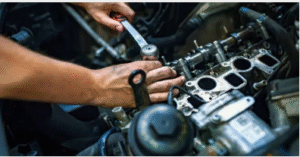
2024 Amarok engineVolkswagen designed the heart of the 2024 Amarok with Australian conditions in mind. Whether navigating dusty red centre tracks or cruising coastal highways, local drivers demand both durability and comfort. The headline-grabber here is the robust V6 turbo-diesel powerplant, which produces high torque at low revs and delivers smooth responses when towing or overtaking.

Torque and Efficiency: A Calculated Duo

The V6 turbo-diesel delivers approximately 500 Nm of torque from as low as 1,250 rpm (varies slightly with trim), making it ideal for pulling heavy trailers, boats, or campers. Additionally, improvements in fuel mapping and selective catalytic reduction ensure this power is accompanied by respectable fuel economy. On long, flat hauls across the Nullarbor Plain, the Amarok achieves competitive fuel consumption values, reflecting impressive efficiency for a vehicle with this much torque and towing capacity.

Transmission Harmony and Off‑Road Capability

The upgraded eight-speed automatic transmission teams seamlessly with the 2024 Amarok engine, delivering crisp shifts whether crawling over rocks or powering through coastal winds. For Australian off-road enthusiasts, three driving modes—On-Road, Off-Road, and Manual—provide fine-tuned control over throttle mapping, gear selection, and traction management.

Climate Resilience: Hot, Dusty, and Humid Ready

Australia’s varied climate—from the heat of the Top End to winter chills in Tasmania—demands engine resilience. Volkswagen equipped the 2024 Amarok engine with upgraded cooling systems and enhanced air filtration, particularly in the V6 version. The dual-core intercooler, high-capacity radiator, and revised fan profiles help prevent overheating during extreme off-road climbs or at idle during cattle station muster work.

Dust seals around air intakes and doorways help maintain engine integrity when driving through rural dust storms. In tropical Queensland and the Northern Territory, the engine’s ability to maintain peak performance in high heat and dust is a highlight for both operators and recreational users.

Low‑Emission Compliance and Environmental Considerations

Australian buyers are becoming increasingly aware of the environmental impact of their purchasing decisions. The 2024 Amarok engine utilises advanced selective catalytic reduction (SCR) and diesel particulate filter (DPF) systems to meet the latest Euro 6 emissions standards, equivalent to ADR 80/04 in Australia. The AdBlue system significantly reduces NOₓ emissions, helping to meet tight city regulations, such as those in Sydney’s Clean Air Zones.

Volkswagen’s focus on both power and green credentials ensures that homeowners, beetle farmers, and contractors alike can enjoy uncompromising performance with responsibly low emission levels.

Ownership Experience in Australia

Support and servicing across Australia are well-established. Volkswagen’s dealer network, spanning from Darwin to Tasmania, ensures owners can maintain their engine with genuine parts and specialist expertise. Scheduled oil changes, fuel injection cleanings, and DPF regenerations are streamlined through the MyVolkswagen Connect app, which integrates service reminders tailored to local conditions (e.g., extreme heat cycles or dusty usage).

Safety Features Linked to Engine Performance

Modern utes must also strike a balance between performance and safety. The Amarok’s engine management system seamlessly integrates with active safety systems. For instance, under hard acceleration with trailer sway, electronic stability control modulates engine torque to stabilise the setup. Similarly, hill-hold assist—and even virtual tow stabilisation—are tied to engine torque mapping, offering safer loading and unloading on steep gradients.

In essence, the 2024 Amarok engine isn’t just about brute stats—it works harmoniously with sensors, controls, and electronics to give drivers added confidence whenever roads get tricky.

Real‑World Feedback: Australian Owner Perspectives

On forums and social media, many Australian Amarok owners praise the strong yet smooth engine. One user in the Victorian High Country wrote: “Tows my five-metre camper trailer with ease, and cruise control holding 100 km/h up to Buller was effortless.” Others mention improved torque over the outgoing four-cylinder options, especially when towing sheep trailers or sandboards.

Conclusion: A Powerplant Tailored to Australia

The 2024 Amarok engine is a compelling blend of powerful torque, modern efficiency, and climate resilience—qualities ideally matched to Australia’s diverse driving environment. As VW improves emission controls, on-road comfort, and off-road synergy, the engine emerges as more than a workhorse—it becomes a partner in every Australian adventure and jobsite.

For those seeking a combination of confident highway cruising, serious towing capability, and robust handling on rough tracks, the Amarok’s latest powerplant is a prime contender. Its fit-for-purpose engineering cements its place among the top-tier ute engines available in Australia today.