In the realm of modern architecture and building management, roof access hatches stand as unassuming yet essential features that offer a multitude of practical benefits. These hatches provide convenient access to rooftops, enabling efficient maintenance emergency access and even improving energy efficiency in buildings. This article explores the various roof access hatches benefits to commercial and residential structures, highlighting their importance in enhancing safety, accessibility, and overall functionality.
Enhancing Safety and Accessibility
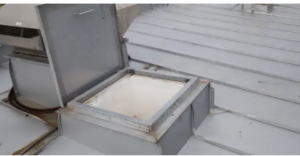 One of the primary reasons for installing roof access hatches is to enhance safety and accessibility for building maintenance personnel, emergency responders, and even everyday occupants. By providing a designated entry point to the roof, these hatches eliminate the need for alternative, less secure access methods such as ladders or temporary scaffolding. It significantly reduces the risk of accidents and injuries associated with rooftop access, ensuring compliance with safety regulations and standards.
Roof access hatches are designed with robust materials and secure locking mechanisms to prevent unauthorised entry, thereby safeguarding the building from potential security breaches. In emergencies, such as fire outbreaks or medical emergencies requiring rooftop evacuation, these hatches facilitate swift and safe access for first responders, enhancing overall building safety protocols.
Improving Maintenance Efficiency
One of the roof access hatches benefits lies in their ability to streamline maintenance operations. Facilities management teams can easily access rooftop equipment, HVAC systems, and other utilities through these hatches, simplifying routine inspections, repairs, and servicing tasks. This accessibility minimises downtime and operational disruptions, ensuring that essential building systems remain functional and efficient.
Moreover, roof access hatches support proactive maintenance practices by enabling regular inspections of roof surfaces, drainage systems, and solar panel installations. Timely identification of maintenance issues can prevent costly repairs and extend the lifespan of building assets, thereby optimising operational efficiency and reducing long-term maintenance expenses.
Promoting Energy Efficiency and Sustainability
Roof access hatches contribute to enhancing a building’s energy efficiency and sustainability efforts in several ways. They facilitate the installation and maintenance of rooftop solar panels, allowing for easy access to conduct inspections, clean panels, and perform necessary adjustments. This proactive approach ensures that solar energy systems operate at peak efficiency, maximising renewable energy generation and reducing reliance on conventional power sources.
Furthermore, roof access hatches promote proper ventilation and air circulation within the building envelope. By providing access to roof-mounted ventilation units and exhaust systems, these hatches enable facilities managers to optimise indoor air quality and HVAC performance. Improved airflow regulation helps mitigate the heat island effect in urban areas, enhancing overall environmental comfort and reducing the building’s carbon footprint.
Enhancing Building Accessibility and Adaptability
Beyond safety and maintenance benefits, roof access hatches enhance the overall accessibility and adaptability of buildings to accommodate diverse user needs. They provide architects and building designers with greater flexibility in spatial planning and rooftop utilisation. Rooftop terraces, green roofs, and recreational areas can be seamlessly integrated into building designs, enhancing occupant satisfaction and promoting community engagement.
For commercial properties, roof access hatches facilitate the installation of rooftop signage, telecommunications equipment, and satellite dishes, supporting business operations and enhancing connectivity capabilities. This adaptability ensures that buildings remain responsive to evolving technological advancements and market demands, fostering long-term sustainability and competitiveness in the real estate sector.
Conclusion
In conclusion, roof access hatches serve as indispensable components of modern building infrastructure, offering roof access hatches benefits that extend far beyond their functional purpose. From enhancing safety and accessibility to promoting energy efficiency and adaptability, these hatches contribute significantly to the overall functionality, sustainability, and value of commercial and residential properties. As architects, engineers, and building owners continue to prioritise efficiency and innovation in building design, roof access hatches will undoubtedly remain integral to achieving holistic building management and operational excellence.
By investing in high-quality roof access hatches and incorporating them strategically into building designs, stakeholders can optimise building performance, improve occupant safety, and demonstrate a commitment to sustainable development practices. As the construction industry evolves, roof access hatches will continue to play a pivotal role in shaping the future of urban infrastructure and building management practices worldwide.