A building inspections are inspecting a building to determine its integrity and safety. A licensed professional, known as a building inspector, usually does this. A township, city, or county hire them. Depending on the jurisdiction, they can also make professional judgments regarding building codes and requirements.
Typical duties of a building inspector
Building inspectors are essential in the construction industry to ensure that a building meets all required codes and specifications. They work in partnership with other government and private agencies, including architects, builders, and contractors, to ensure that a building project is safe and conforms to local and national building code requirements.
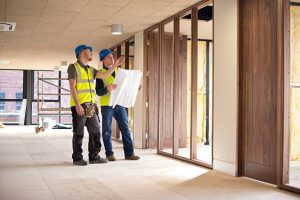 Inspectors usually work for federal, provincial, and municipal governments, although construction companies may also employ them. Their primary duties include inspecting new construction, renovations, and building additions. They also check on structural components, such as concrete and steel.
Building inspectors typically work forty hours per week. This includes evenings, weekends, and holidays. Sometimes, they are paid for mileage when using their vehicles.
A building inspector must have good analytical and problem-solving skills. During inspections, they are often able to spot issues and suggest solutions.
A building inspector is also responsible for resolving disputes with other agencies, such as contractors and building owners. They may also attend meetings and discuss inspection procedures.
Common types of building inspections
A building inspection is a critical component of a successful real estate transaction. It allows a buyer to judge the merits of a property and its occupants and a seller to make an educated decision on whether or not to proceed.
The common types of building inspections are pre-sale inspections and post-sale property condition assessments. The former is particularly important to a first-time buyer, and the latter to an existing tenant looking to upgrade. The former is also necessary to get a bank loan and lease. In addition, they are having an inspection performed by an accredited professional will reassure a potential buyer that the property is indeed up to code and will stand up to the test of time.
Getting a building inspections done right can cost a small fortune and is best left to the professionals. To wit, approximately 5059 residential and commercial property inspections were performed in August. Similarly, if lucky, the average commercial property owner can expect a lead time of around three days or less.
Fees for a building inspection
It’s no secret that buying a home requires a great deal of due diligence. Hiring a professional to perform a home inspection is one of the more critical tasks. The inspector’s job is to identify any significant problems with the property before you sign the dotted line. They’ll also help you determine what repairs may be needed and how much it’ll cost.
When hiring an inspector, you may be tempted to pay them by the hour. However, this may not be the best option. Many eager buyers may want to save money, and rushing the inspector could lead to missed items or legal entanglements. Instead, the homeowner should choose a fee that covers the basics.
Many different factors go into determining a building inspection’s price. As a result, the cost could range from several hundred dollars to thousands of dollars.
Other departments that may be involved in a building inspection
A building inspection is essential to ensure that your home or business is safe and up to the standards of the local health department. A building inspection may be performed by the local building department or by a private third party. The building inspector will inspect the construction of your home or business for compliance with state and federal laws. This includes fire safety, health and safety, and life safety. Sometimes, the building inspection may also involve energy benchmarking and smoke detectors.
Several counties and cities must perform a facade inspection for new structures. Engineers and architects perform these inspections. Facades often include window guards, lead paint, and boilers. However, these inspections are not always carefully analyzed.
There are several different types of building inspections, including residential and commercial. Residential inspections focus on the life safety of the building and the minimum requirements of the International Residential Code. Besides the health and safety aspect of a residential building, other factors such as foundations, framing, and plumbing are also inspected.